Optimal Use and Care of the Philips Respironics Wisp CPAP Mask
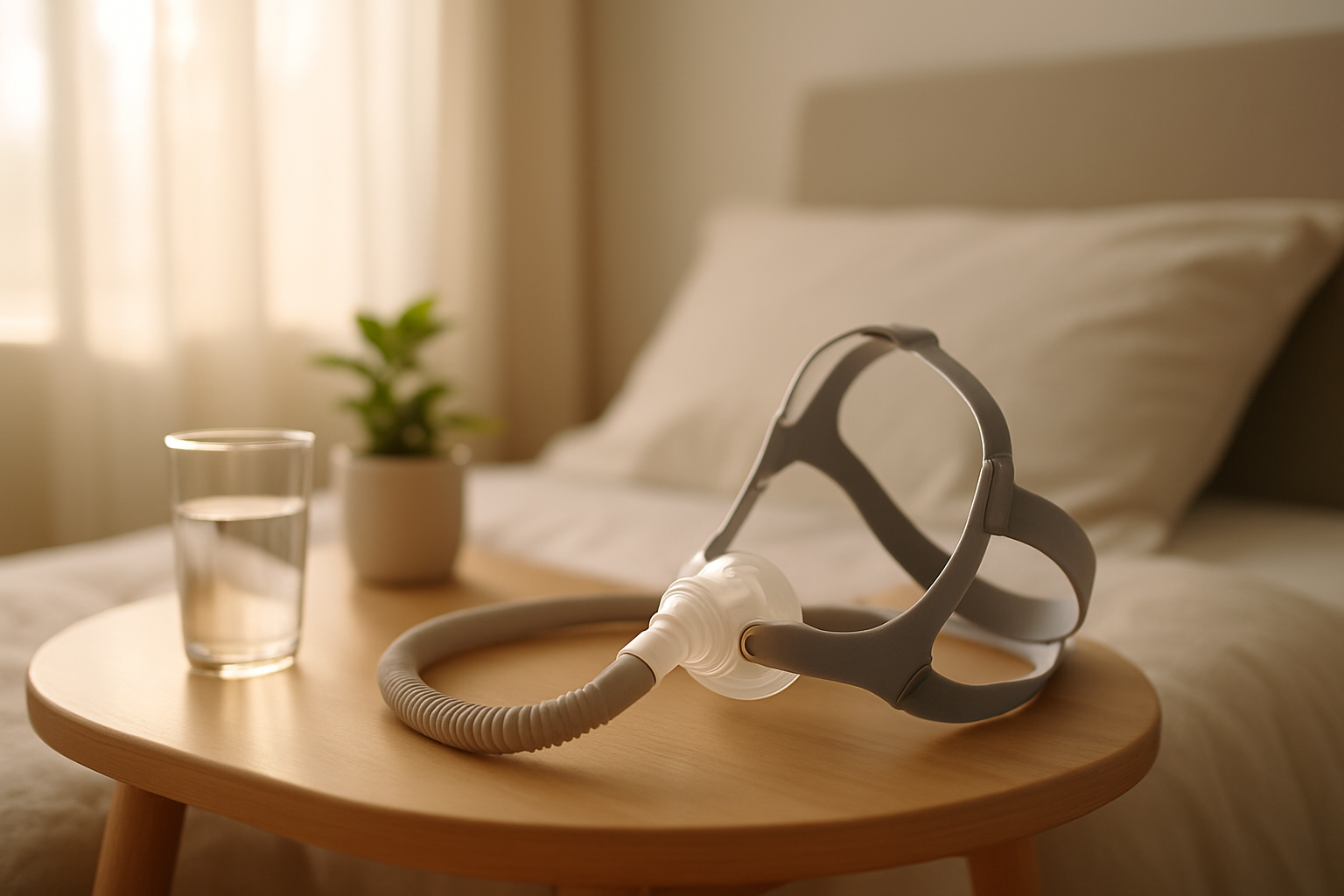
A Morning with the Philips Respironics Wisp CPAP Mask
The morning begins quietly as you remove the Philips Respironics Wisp CPAP mask and prepare for a new day. The night was restful, and the mask provided comfort with its minimal facial contact. Thanks to the lightweight frame and convenient magnetic clips, putting on and taking off the mask was easy, even when half-asleep. If you’re wondering how this mask can support your nightly routine, you can find more information here.
Proper Fitting and Adjustment of the Wisp CPAP Mask
The correct adjustment of the Philips Respironics Wisp CPAP mask begins with selecting the right cushion size, which is included in the package. The mask offers multiple cushion sizes to ensure an optimal fit. Place the mask on your nose and adjust the headgear so that it sits comfortably without causing pressure points. Thanks to the flexible tube positioning, you can align the tube according to your preferences, providing additional comfort.
The magnetic clips on the headgear allow for easy putting on and taking off of the mask. Ensure that the mask fits snugly to achieve an effective seal that supports the airflow. Once properly adjusted, the mask should remain stable throughout the night without requiring frequent adjustments.
Efficient Cleaning Routine for the Wisp CPAP Mask
Cleaning the Philips Respironics Wisp CPAP mask is an important part of maintenance to preserve hygiene and functionality. First, remove the mask and disconnect it from the tube. Use warm water and a mild soap to clean the mask and frame. This should be done daily and typically takes no longer than five minutes.
Once a week, you should perform a more thorough cleaning by disassembling the individual parts of the mask and cleaning all components. Allow all parts to air dry completely before reassembling them. This routine helps extend the life of the mask and maximize comfort.
Recognizing Wear on the Wisp CPAP Mask
As with any frequently used product, signs of wear can appear on the Philips Respironics Wisp CPAP mask. Look for changes in the material of the mask, such as cracks or discolorations, which could indicate wear. A reduced seal or unusual airflow can also be indicators of the need for replacement parts.
Regular inspections of the mask can help detect wear early. If the mask no longer provides the usual comfort despite proper adjustment, replacing the cushion size or the entire frame may be necessary.
Tips for Traveling and Power Outages with the Wisp CPAP Mask
For many users, using their CPAP mask while traveling is an important consideration. The compact design of the Philips Respironics Wisp CPAP mask makes it an ideal travel companion. Pack the mask in a protective case to prevent damage, and check the power supply at your destination before departure.
In the event of a power outage, it is advisable to have a backup battery or a suitable adapter on hand to ensure the therapy is not interrupted. Consult your specialist dealer or doctor for further recommendations on using the mask under special conditions.
For more details on the Philips Respironics Wisp CPAP mask, please visit the product page.
Fit and Adjustment: Finding the Right Size
Choosing the right cushion size is crucial for the comfort and functionality of the Philips Respironics Wisp CPAP mask. The package includes several cushion sizes, allowing you to customize the mask to your facial shape. Try different sizes to find the one that fits best. A good fit minimizes pressure points and ensures an effective seal.
Ensure that the headgear is loose enough to provide comfort but tight enough to keep the mask stable. The flexible tube positioning helps optimize the airflow according to your needs. A well-fitting cushion and correctly adjusted headgear are essential for a comfortable and uninterrupted night.
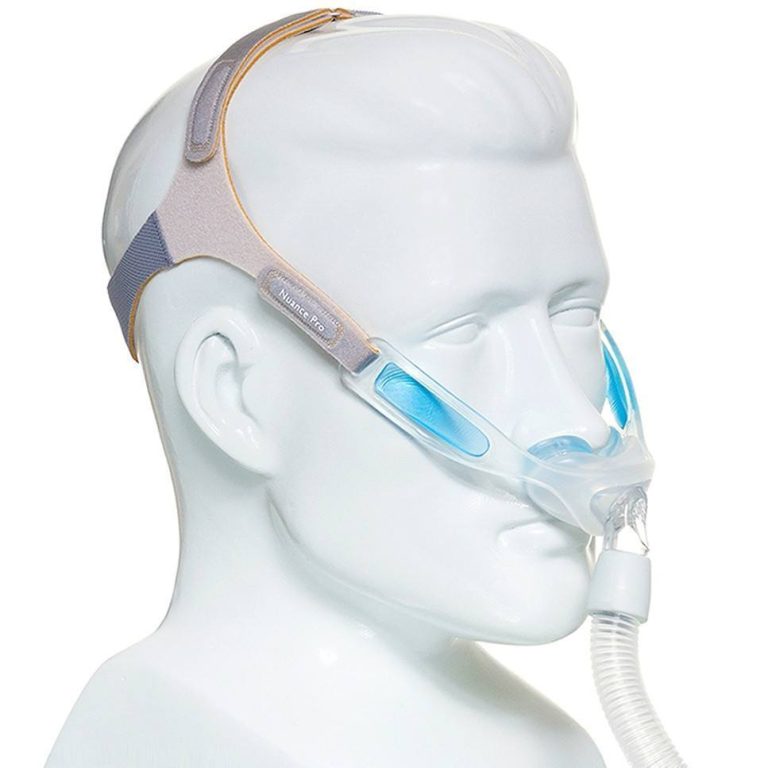
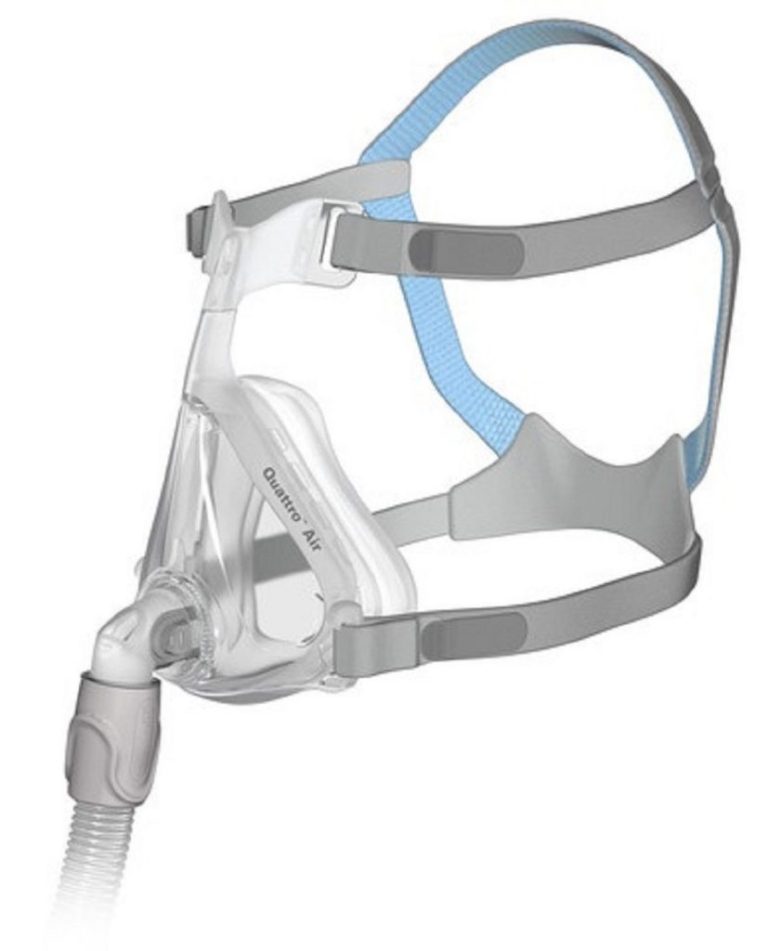
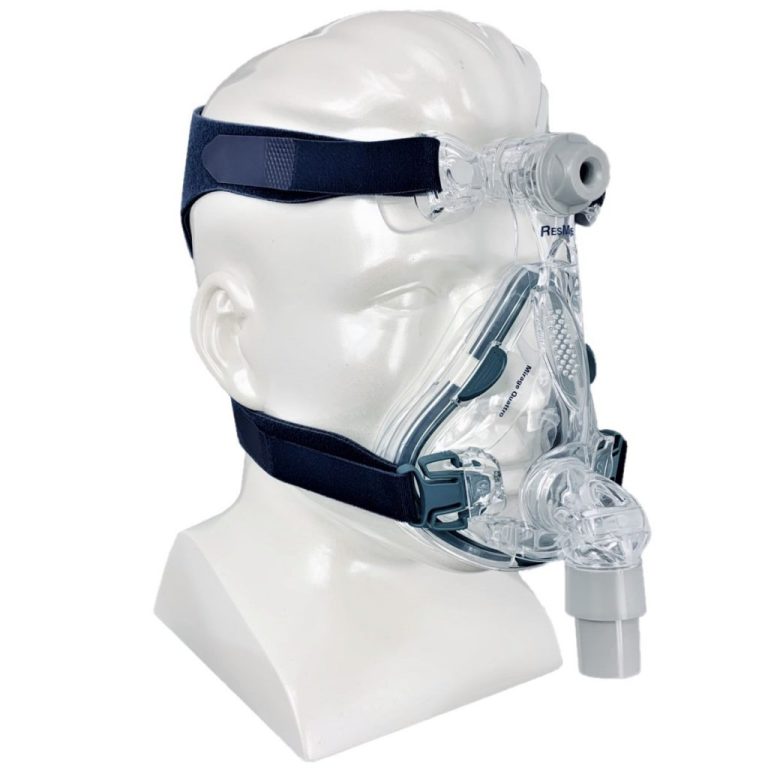
Matching products from our shop
Genuine products, fast tracked shipping.

Popular brands: ResMed · Philips Respironics