Understanding CPAP Devices: How They Work and Their Benefits
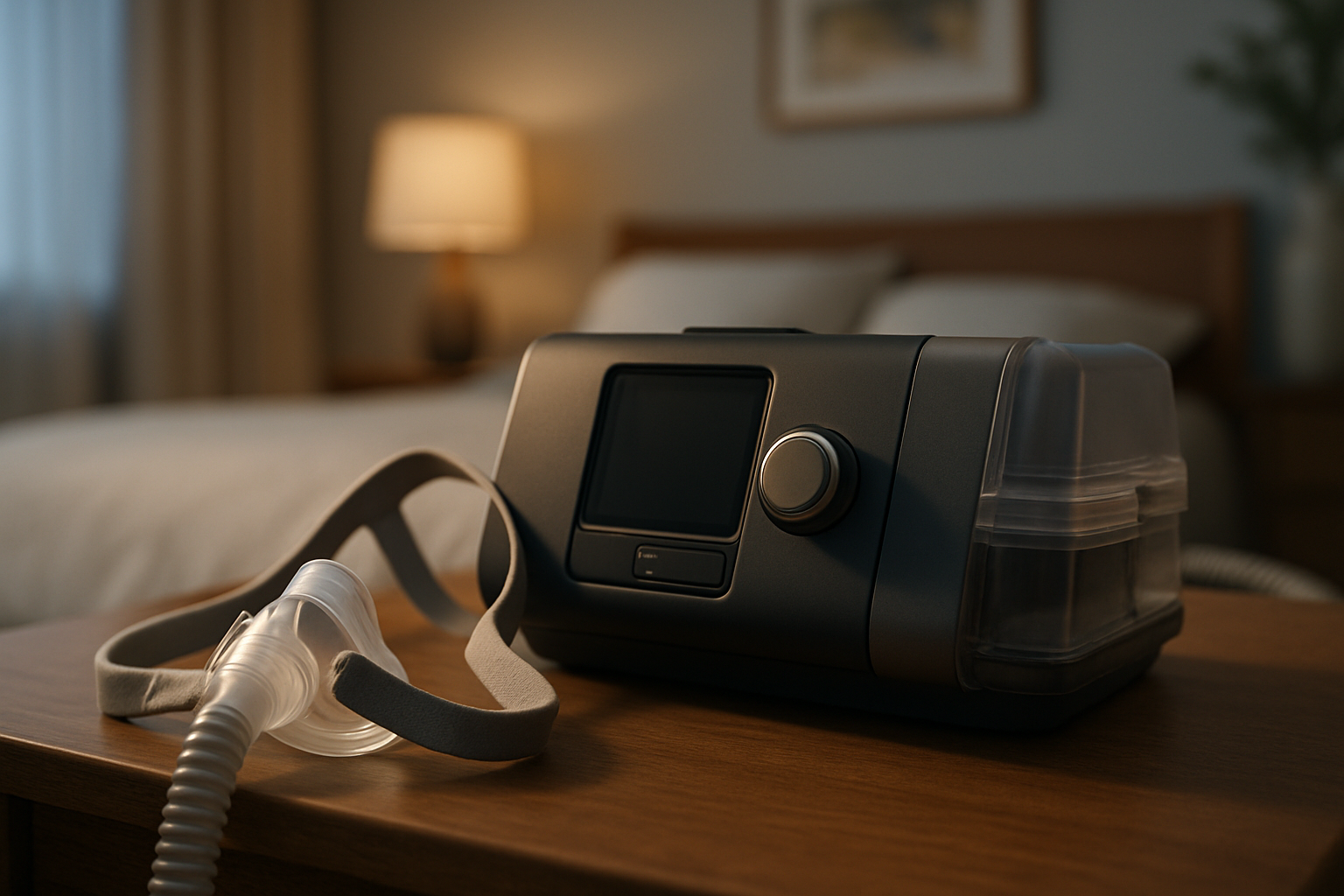
Sleep apnea is a common but serious sleep disorder where breathing repeatedly stops and starts during sleep. One of the most effective treatments for sleep apnea is CPAP therapy (Continuous Positive Airway Pressure), which involves the use of a CPAP device. This device helps individuals breathe more easily and comfortably during sleep, improves overall sleep quality, and reduces the risks associated with untreated sleep apnea. In this post, we explain how CPAP devices work and the numerous benefits they offer.
How CPAP Devices Work
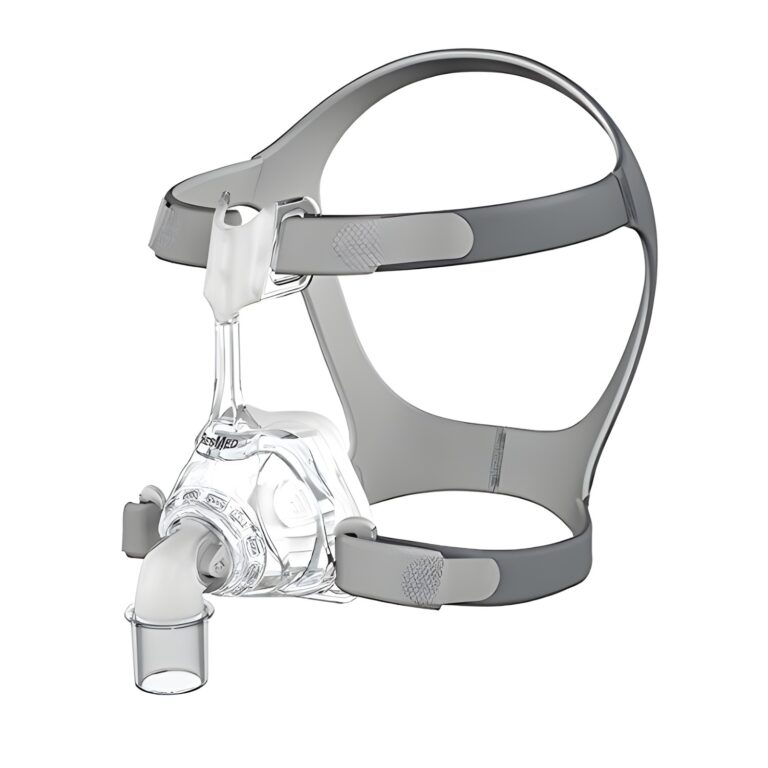
A CPAP device is essentially a small machine that delivers a continuous stream of air through a hose connected to a mask or nasal attachment that you wear while sleeping. This steady airflow prevents your airways from collapsing—the main cause of sleep apnea events (periods of interrupted breathing). The mask or nasal attachment is worn over the nose or mouth and is held in place by a comfortable headgear.
Here’s how CPAP therapy works in detail:
- Continuous Airflow: The CPAP device blows a continuous, steady stream of air into the airways, helping to prevent the throat muscles from relaxing too much and causing the airways to collapse. This airflow is carefully tailored to the patient’s needs and is delivered at a consistent pressure throughout the night.
- Prevents Blockages: The primary cause of sleep apnea is the collapse of soft tissue in the throat, which blocks the airways. CPAP pressure keeps the airways open by preventing such blockages, allowing the user to breathe freely during sleep.
- Comfortable and Adjustable: Modern CPAP devices come with adjustable settings, allowing users to tailor the air pressure to their comfort needs. Additionally, many devices are equipped with heated humidifiers that keep the air moist, reducing dryness or discomfort in the nose and throat.
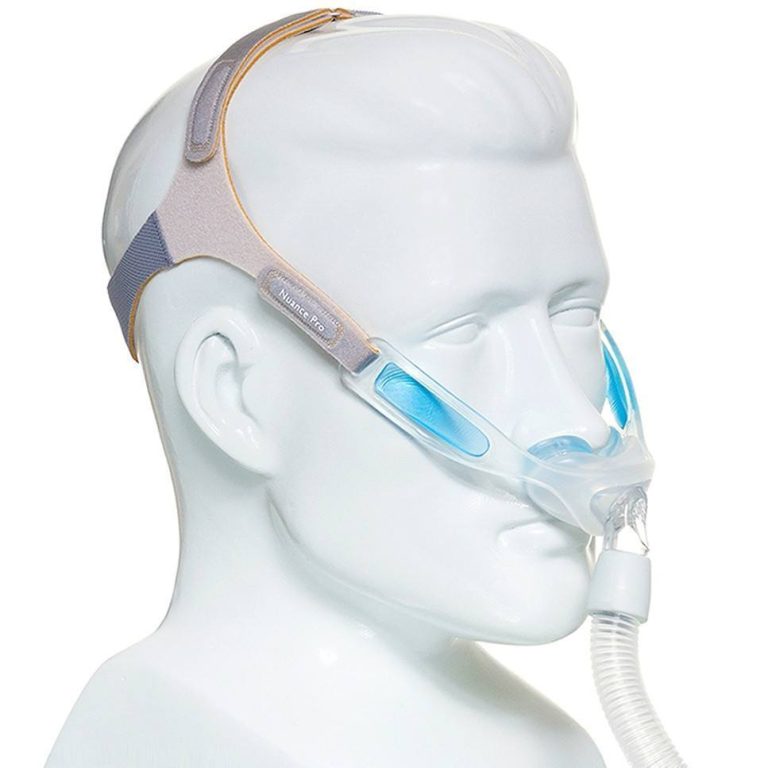
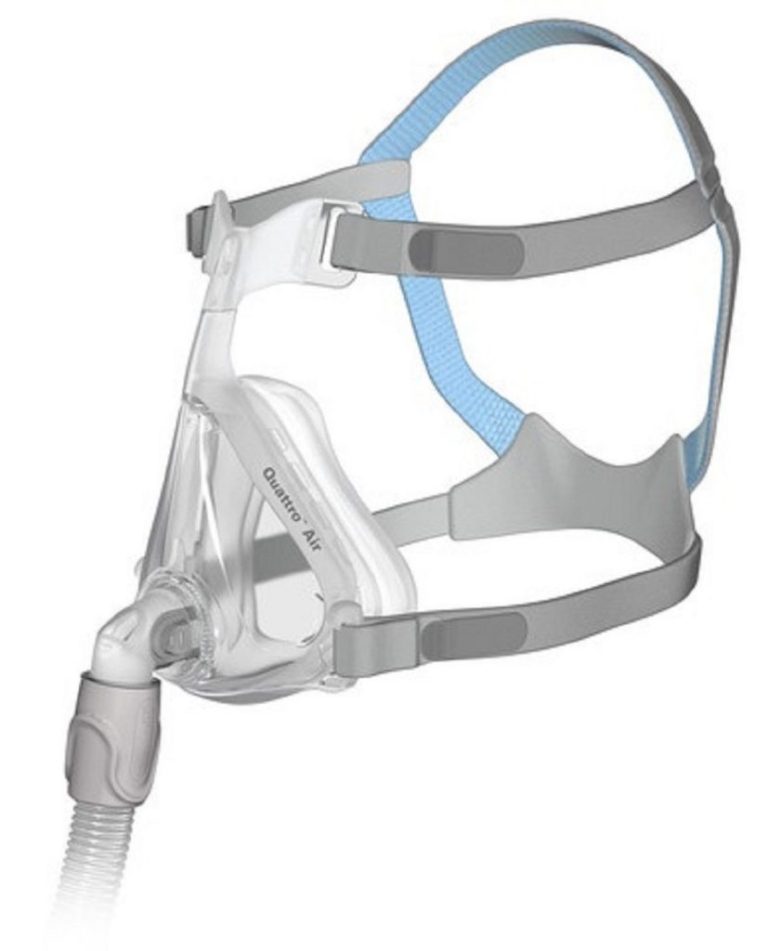
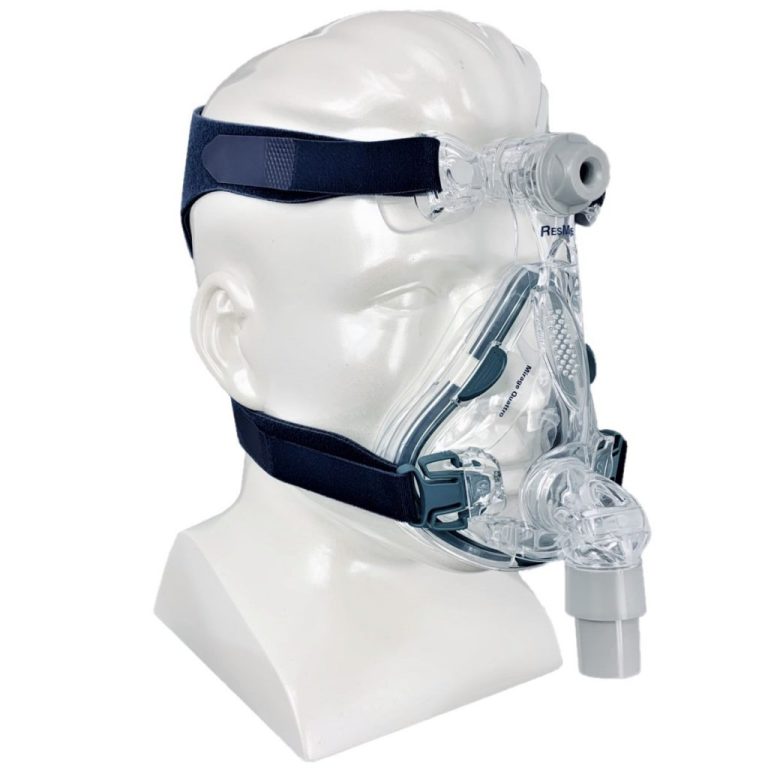
- Masks and Delivery Systems: There are various types of CPAP masks, including nasal masks, nasal pillow masks, and full-face masks. The choice of mask depends on the patient’s preferences, breathing pattern, and comfort. Some people prefer the quiet, unobtrusive nasal pillow masks, while others find the full-face mask more effective for their needs.
Benefits of CPAP Therapy
The benefits of a CPAP device extend far beyond improved sleep quality. For people with sleep apnea, CPAP therapy can significantly enhance overall health and well-being. Below are some of the key benefits:
- Improved Sleep Quality: The most immediate benefit of CPAP therapy is better sleep. By keeping the airways open throughout the night, CPAP prevents frequent sleep interruptions caused by apnea events. As a result, CPAP device users experience deeper, uninterrupted sleep and wake up feeling more rested and refreshed.
- More Energy During the Day: One of the most common symptoms of sleep apnea is excessive daytime sleepiness. People with untreated sleep apnea often feel tired and exhausted during the day, which can affect productivity and quality of life. CPAP therapy improves nighttime sleep, leading to higher energy levels during the day.
- Reduced Risk of Heart Disease and Stroke: Untreated sleep apnea can significantly strain the cardiovascular system. Repeated breathing pauses during sleep lower blood oxygen levels, which can lead to high blood pressure, heart disease, and even strokes. CPAP therapy helps reduce these risks by ensuring a consistent oxygen supply to the body during sleep.
- Better Cognitive Function and Mental Health: Chronic sleep deprivation can lead to cognitive problems such as memory issues, difficulty concentrating, and irritability. Additionally, sleep apnea is associated with mood disorders like depression and anxiety. By improving sleep quality, CPAP therapy supports better cognitive function and can help alleviate symptoms of depression and anxiety.
- Better Oxygen Saturation: Sleep apnea can cause blood oxygen levels to drop, which can have harmful long-term effects on organ function. CPAP devices help maintain healthy oxygen levels throughout the night by keeping the airways open and ensuring a continuous air supply.
- Improved Quality of Life: The cumulative benefits of CPAP therapy—better sleep, more energy, and improved overall health—lead to a significant enhancement in quality of life. CPAP device users often report feeling more active, engaged, and satisfied in their daily lives.
- Increased Life Expectancy: Especially when untreated, sleep apnea can shorten life expectancy by increasing the risk of heart disease, stroke, high blood pressure, and other health complications. By effectively treating the condition with CPAP therapy, individuals can significantly reduce these risks and potentially lead a longer, healthier life.
Conclusion
CPAP therapy is a proven, effective treatment for sleep apnea that helps individuals manage their symptoms and improve their overall health and quality of life. If you or a loved one suffers from sleep apnea, CPAP therapy could be the key to better sleep, improved health, and a more vibrant life.
Matching products from our shop
Genuine products, fast tracked shipping.
Popular brands: ResMed · Philips Respironics