A Comprehensive Guide to Choosing the Right CPAP/BiPAP Device
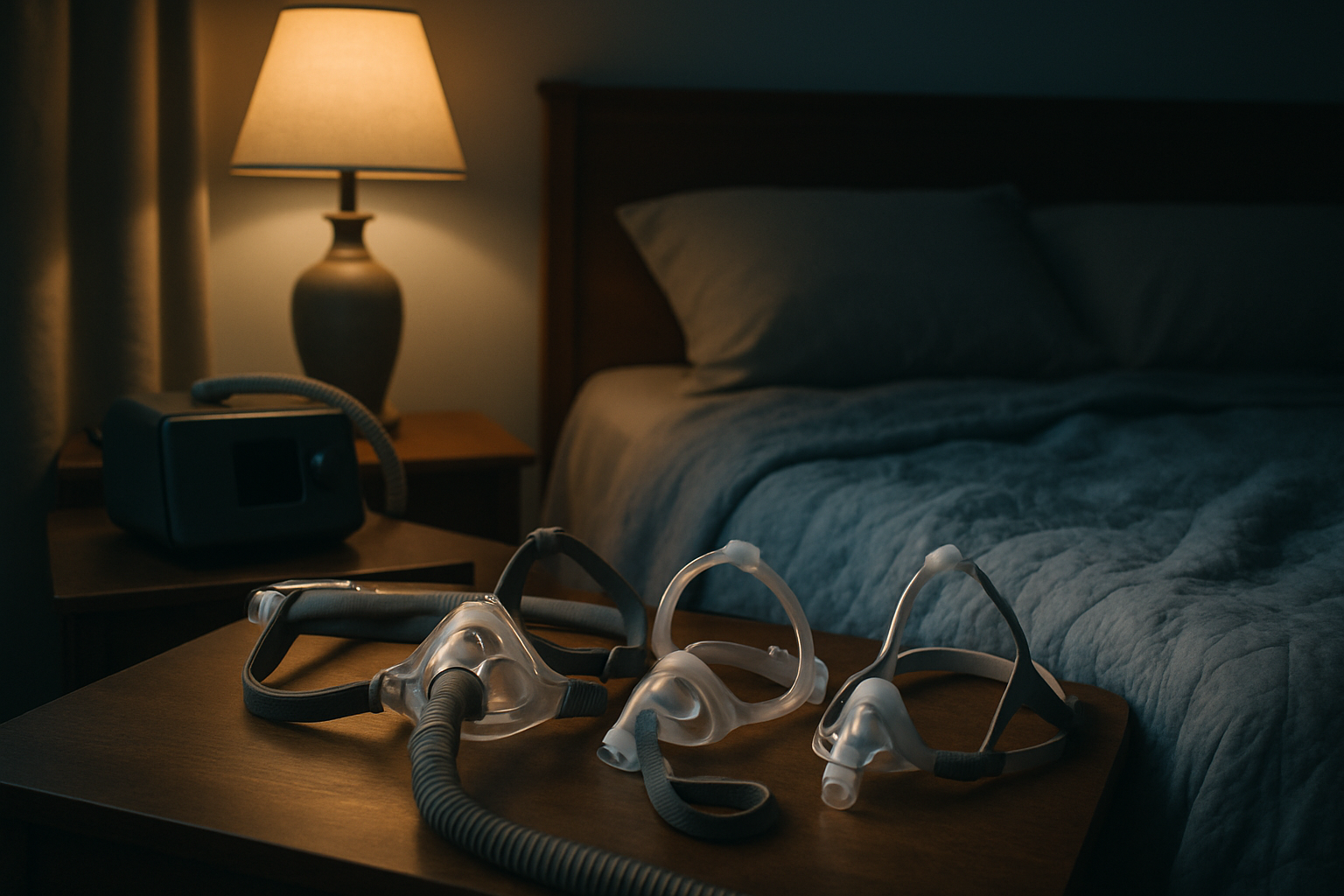
When treating sleep apnea, choosing the right device is crucial to ensure the most effective therapy possible. CPAP devices (Continuous Positive Airway Pressure) and BiPAP devices (Bilevel Positive Airway Pressure) are among the most common treatment methods for sleep apnea. However, with the numerous options available, selecting the right device can be confusing. In this comprehensive guide, we explain the differences between CPAP and BiPAP devices, provide tips on how to choose the device best suited to your needs, and highlight some important factors to consider before making your decision.
What is a CPAP Device?
A CPAP device (Continuous Positive Airway Pressure) is used to treat obstructive sleep apnea (OSA) by delivering a continuous airflow at a set pressure to keep the airways open during sleep. The airflow prevents the collapse of soft tissue in the throat, which is the main cause of sleep apnea. CPAP therapy is generally recommended for people with moderate to severe OSA who do not have difficulty exhaling against the constant air pressure.
Key Features of CPAP Devices:
- Constant Pressure: CPAP devices deliver a steady, continuous airflow throughout the night.
- Simplicity: CPAP devices are typically easy to use and require less maintenance than BiPAP devices.
- Variety of Masks: CPAP users can choose between nasal masks, nasal pillow masks, or full-face masks based on comfort and breathing preferences.
What is a BiPAP Device?
A BiPAP device (Bilevel Positive Airway Pressure) is similar to a CPAP device but has a significant difference: it delivers two different pressure levels. One pressure is applied during inhalation (IPAP, Inspiratory Positive Airway Pressure), and a lower pressure during exhalation (EPAP, Expiratory Positive Airway Pressure). This makes BiPAP therapy particularly suitable for people who have difficulty exhaling against the constant air pressure of a CPAP device, as well as for those with more complex forms of sleep apnea, such as central sleep apnea.
Key Features of BiPAP Devices:
- Two Pressure Levels: BiPAP devices offer higher air pressure during inhalation and lower pressure during exhalation, making breathing easier for some people.
- Flexibility: BiPAP devices are often used for people who need more flexibility in their breathing pattern or suffer from both obstructive and central sleep apnea.
- Specialized Settings: BiPAP devices can be adjusted with more specific settings to treat complex sleep disorders and provide greater comfort.
CPAP or BiPAP: How to Choose the Right Device for You
Now that we understand the basic differences between CPAP and BiPAP devices, it’s time to determine which device is best suited for your individual needs. Here are some factors to consider when making your decision:
1. Type and Severity of Sleep Apnea
- Obstructive Sleep Apnea (OSA): For simple OSA, a CPAP device is usually the best choice. CPAP devices are highly effective in treating this condition by keeping the airways open with a constant airflow.
- Complex Sleep Apnea: If you suffer from complex or mixed sleep apnea (a combination of obstructive and central sleep apnea), a BiPAP device may be recommended.
- Central Sleep Apnea: People with central sleep apnea often find BiPAP devices more suitable due to their more versatile pressure settings.
2. Comfort and Breathing Pattern
- Difficulty Exhaling: People who find it difficult to exhale against the constant air pressure of a CPAP device may benefit from the two pressure levels of a BiPAP device.
- Personal Preferences: Some people find the constant pressure of a CPAP device uncomfortable. BiPAP devices can offer a more comfortable therapy experience for these individuals.
3. Cost and Insurance Coverage
- Cost: CPAP devices are generally less expensive than BiPAP devices and may be covered by insurance for obstructive sleep apnea.
- Insurance Coverage: Always check with your insurance provider to see which devices are covered and whether you need a prescription.
4. Fit and Comfort of the Mask
Regardless of which device you choose, the comfort of the mask is crucial for effective therapy. Try different types of masks to find the most comfortable fit.
5. Additional Features
- Humidifier: Many CPAP and BiPAP devices come with integrated humidifiers that moisten the airflow to prevent dryness in the throat and nose.
- Ramp Feature: Some devices offer a ramp feature that gradually increases the pressure to help you fall asleep more easily.
- Smart Features: Newer devices have integrated connectivity to track therapy progress and transmit data to your doctor for better monitoring.
Recommended CPAP and BiPAP Devices
Top CPAP Devices:
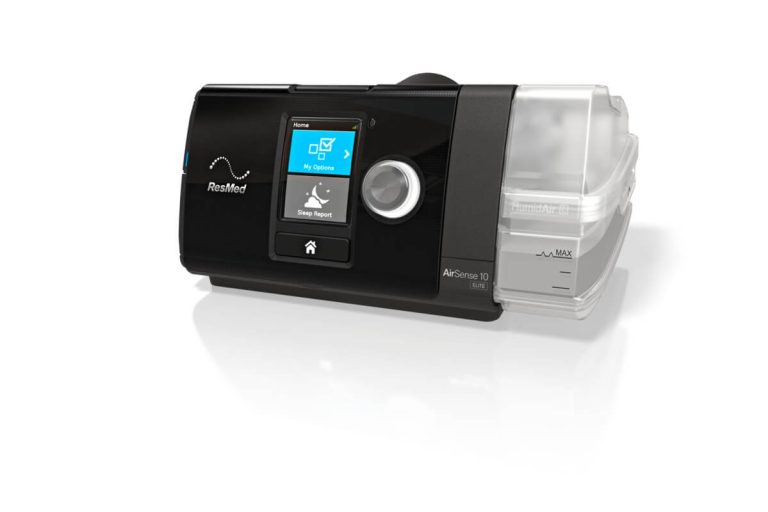
- ResMed AirSense 10 AutoSet: Known for its quiet operation and automatic pressure adjustment.
- Philips DreamStation Auto CPAP: Offers an easy-to-read display and an integrated humidifier.
- Fisher & Paykel SleepStyle Auto CPAP: Compact and easy to use, with advanced features.
Top BiPAP Devices:
- Philips Respironics DreamStation BiPAP Pro: Provides personalized therapy settings and advanced ramp features.
- ResMed AirCurve 10 VAuto BiPAP: Automatically adjusts pressure levels for complex sleep apnea cases.
- Fisher & Paykel ICON+ Auto BiPAP: Compact design with excellent comfort features.
Conclusion
Choosing the right CPAP or BiPAP device is crucial for effective sleep apnea treatment as well as for long-term health and comfort. By considering your specific type of sleep apnea, breathing pattern, mask comfort, budget, and additional features, you can find the device that best suits your needs. Always consult with a doctor or sleep specialist to make an informed decision—and remember: the right device can significantly improve your sleep quality, energy levels, and overall well-being.
Matching products from our shop
Genuine products, fast tracked shipping.


Popular brands: ResMed · Philips Respironics