The Impact of CPAP Therapy on Your Mental Health: What You Should Know
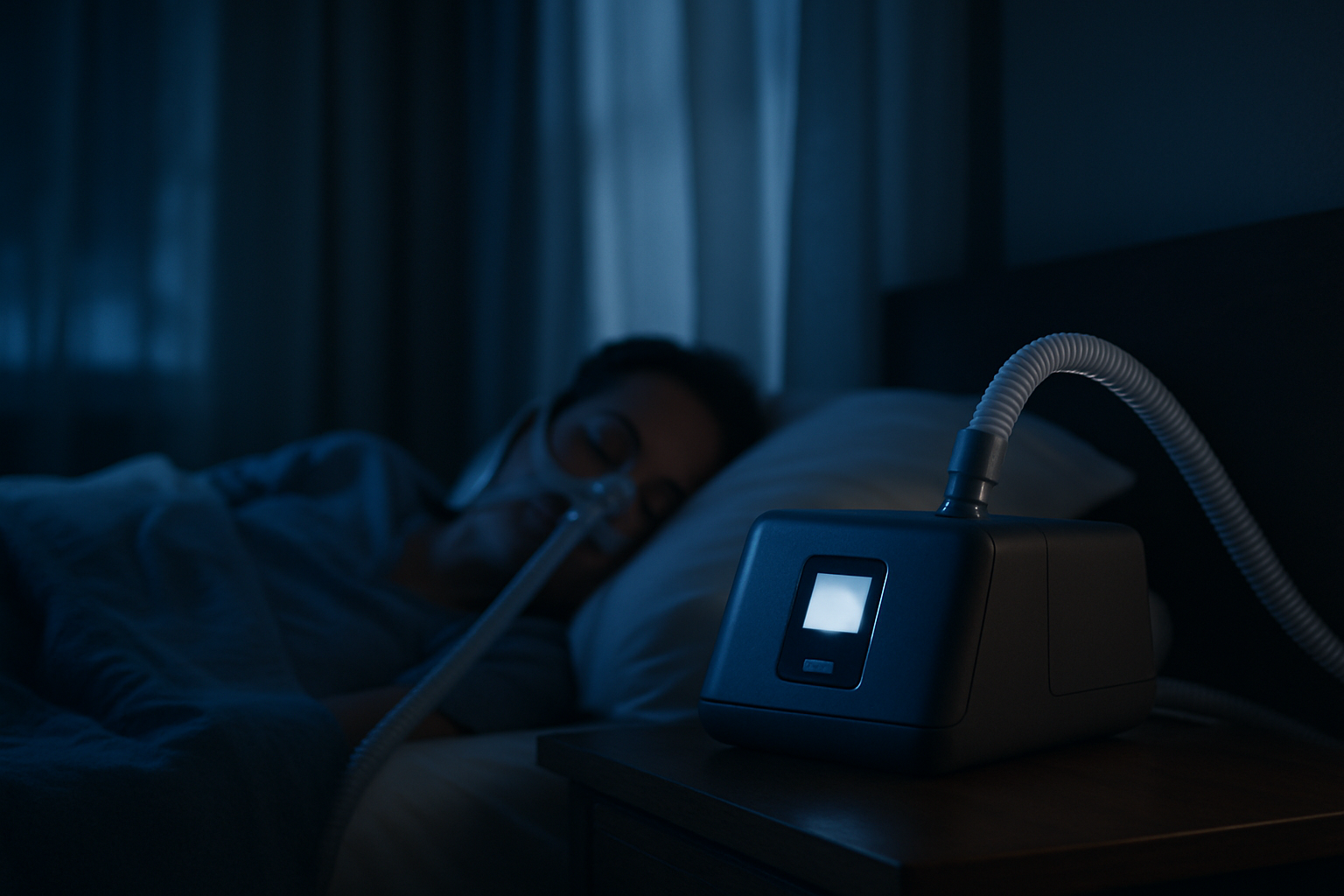
For many people, sleep apnea is considered a physical condition that affects breathing during sleep. However, the effects of sleep apnea and its treatment extend beyond physical health—they can also significantly impact your mental well-being. CPAP therapy (Continuous Positive Airway Pressure) is the most common and effective treatment for sleep apnea. But did you know it can also improve your mental health? In this blog post, we will show you how CPAP therapy can positively affect your mood, cognitive performance, and overall mental well-being.
1. Better Sleep Quality Leads to Better Mental Health
One of the most immediate benefits of CPAP therapy is improved sleep quality. People with sleep apnea often experience frequent breathing interruptions during the night, leading to fragmented sleep—resulting in severe daytime fatigue and impaired cognitive performance. By providing a continuous airflow, CPAP therapy helps prevent these interruptions and allows you to achieve deeper, more restorative sleep.
How it affects mental health:
- Deeper sleep can improve mood and reduce irritability.
- Better sleep supports cognitive performance, including memory and concentration.
- Improved rest can lead to greater emotional stability and reduce the risk of anxiety and depression.
2. CPAP Therapy and Depression: A Positive Connection
Depression is common among people with untreated sleep apnea. The sleep disturbances caused by apnea can trigger feelings of sadness, hopelessness, and exhaustion—all typical symptoms of depression. The good news: using a CPAP device can alleviate these symptoms. A study found that people who consistently used CPAP therapy reported significant improvements in their mood and experienced fewer symptoms of depression.
How CPAP helps with depression:
- CPAP therapy helps regulate sleep patterns, which can reduce the likelihood of depression symptoms.
- Better sleep can help balance the chemical imbalances in the brain associated with depression.
- Improved rest also supports the body’s ability to manage stress more effectively.
3. Less Anxiety Through Better Sleep
Anxiety disorders are another mental health condition often associated with sleep apnea. The constant breathing interruptions can lead to increased stress and anxiety levels. If sleep apnea remains untreated, it can exacerbate anxiety symptoms and make it even harder to relax and fall asleep. With the help of CPAP therapy, many people experience reduced anxiety levels thanks to improved sleep quality and better overall health.
How CPAP therapy reduces anxiety:
- By improving sleep quality, CPAP helps reduce physical stress levels.
- Better sleep leads to a more relaxed and balanced mood, which can lower anxiety levels.
- CPAP therapy enhances cognitive performance, which can help in better handling stressful situations.
4. Cognitive Performance and CPAP: More Mental Clarity
Sleep apnea not only affects your physical health—it also has significant impacts on cognitive performance. People with untreated sleep apnea often report feeling foggy, forgetful, and having difficulty concentrating. CPAP therapy plays a crucial role in improving mental clarity and concentration. By addressing the root cause of poor sleep, CPAP therapy can help restore cognitive performance, making it easier for you to stay focused and alert during the day.
How CPAP improves cognitive performance:
- Better oxygen supply to the brain enhances cognitive processing.
- With CPAP therapy, users experience less mental fog and can think more clearly.
- Improved sleep quality can enhance memory and decision-making abilities.
5. CPAP and Overall Mental Well-Being
In addition to alleviating specific issues like depression, anxiety, and cognitive impairments, CPAP therapy can improve overall mental well-being. With better sleep quality, less fatigue, and more energy in daily life, people using CPAP often report a greater sense of vitality, optimism, and an improved quality of life.
Additional benefits of CPAP for mental health:
- Better mood and emotional stability.
- Improved social interactions and relationships thanks to better sleep and reduced irritability.
- Greater mental resilience and better stress management.
6. Why Consistency in CPAP Use is So Important
To fully experience the positive effects of CPAP therapy on your mental health, it’s important to use your device regularly. Skipping nights or using your CPAP device only occasionally can reduce its effectiveness and limit the positive effects on your mental health. Make CPAP therapy a regular part of your evening routine to experience better sleep and a healthier mind.
Tips for Regular CPAP Use:
- Set a consistent bedtime to remind yourself to use your CPAP device every night.
- Set reminders or alarms so you don’t forget your therapy.
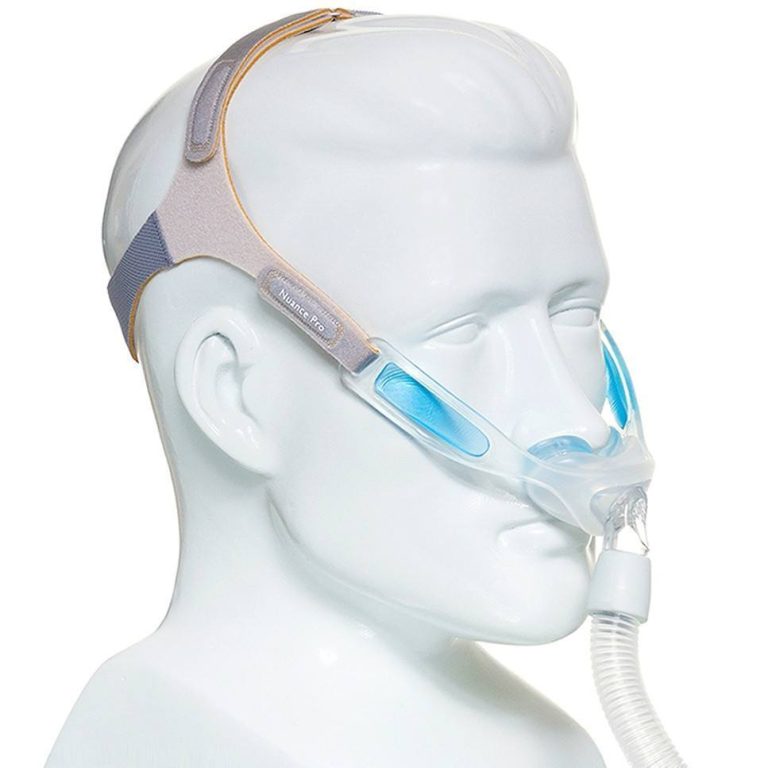
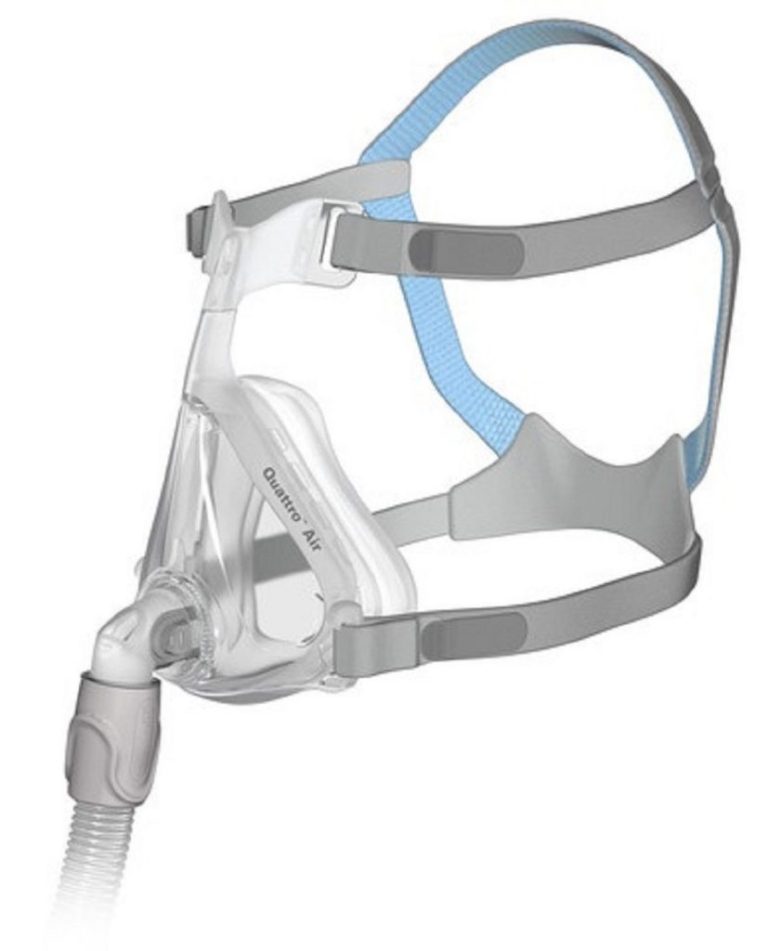
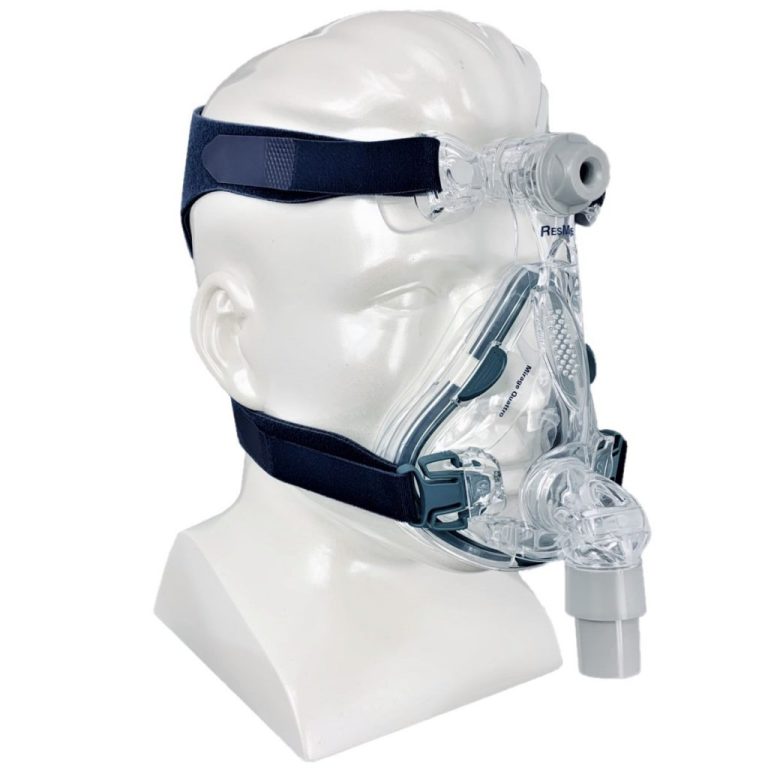
- If you experience discomfort, talk to your doctor about finding a more comfortable mask or adjusting your device settings.
Conclusion
CPAP therapy is primarily known for its benefits to physical health, but its positive effects on mental health should not be overlooked. From alleviating anxiety and depression to improving cognitive performance and enhancing emotional well-being, CPAP therapy can make a significant difference in how you feel mentally and emotionally. If you are already using CPAP therapy or considering it for your sleep apnea treatment, keep in mind: the benefits extend far beyond better sleep—they can fundamentally transform your mental health.
Remember: Regular use is key to unlocking these benefits for your mental health. Therefore, consistently adhere to your therapy routine. If you encounter difficulties, don’t hesitate to consult your healthcare provider to get the most out of your CPAP therapy.
Matching products from our shop
Genuine products, fast tracked shipping.
Popular brands: ResMed · Philips Respironics