Traveling with Your CPAP Device: Tips and Tricks for 2025
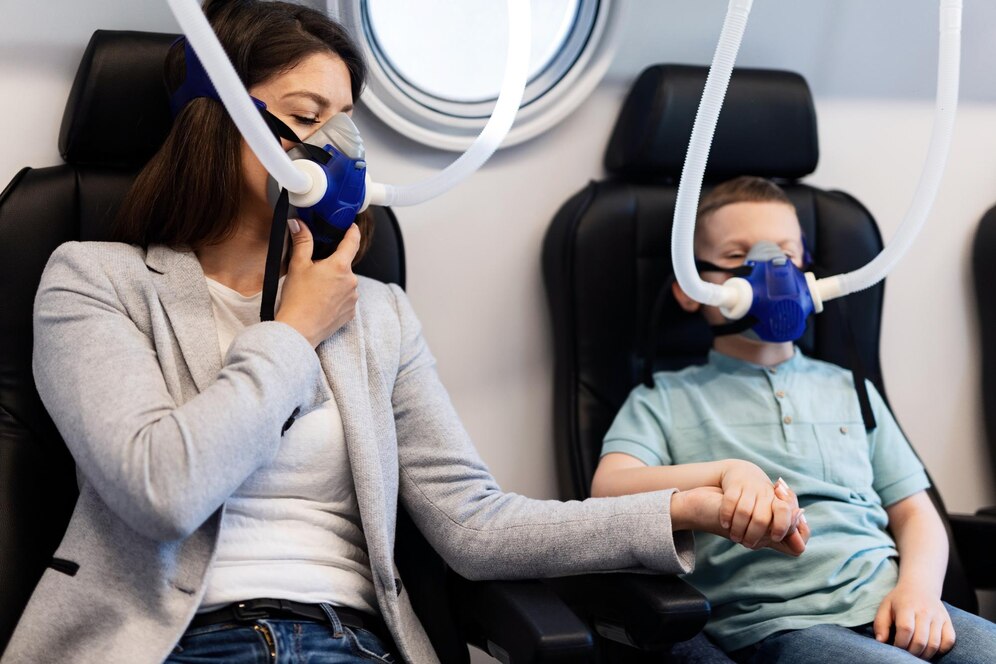
Traveling with a CPAP device can initially seem daunting, especially if you’re used to using it every night in your bedroom. However, with the right preparation and suitable accessories, you can easily take your CPAP device on the road. Whether you’re traveling for business, pleasure, or another reason, here are practical tips and tricks for 2025 to help you travel comfortably with your CPAP device.
1. Invest in a CPAP Travel Bag
A CPAP travel bag is one of the most important accessories to make traveling easier. These bags are designed to protect your CPAP device, mask, and accessories while keeping them neatly organized. Many travel bags are compact, durable, and fit easily in the overhead compartment or under the seat in front of you on a plane.
Why You Need a CPAP Travel Bag:
- It protects your CPAP device from damage during transport.
- It keeps all your CPAP accessories like tubes and filters in one place.
- Many bags are lightweight and easy to carry.
2. Check Airline Policies for CPAP Devices
Before flying, be sure to check the airline’s policies regarding CPAP devices. In most cases, airlines allow you to carry your CPAP device as a medical device in addition to your regular carry-on luggage. Some airlines even provide an outlet for you to plug in your CPAP device during the flight. It’s best to confirm this in advance to avoid surprises at the airport.
Tip:
- Contact your airline in advance to confirm their CPAP policies and inquire about power outlets.
- Carry a letter from your doctor or healthcare provider in case you need to prove your need for the CPAP device.
3. Pack Spare Accessories and an Emergency Power Supply
When traveling with your CPAP device, it’s always wise to bring spare accessories. This includes emergency power sources like portable CPAP batteries, as well as extra filters, tubes, and mask parts. A universal travel adapter is also recommended for international travel, as voltage standards can vary between countries.
Why You Need Spare Accessories:
- An emergency power supply ensures your CPAP device works even if you don’t have access to an outlet.
- Spare accessories save you from having to find a local store if something gets damaged or lost.
- A universal travel adapter is essential for international trips to plug in your CPAP device.
4. Use a Portable CPAP Battery for Off-Grid Travel
If you’re traveling to a location without reliable power, a portable CPAP battery can be a lifesaver. Many CPAP users use battery packs to power their devices during camping trips, road trips, or stays in remote areas. These batteries are designed to provide enough power for a full night’s use, so you don’t have to worry about finding an outlet.
Tip:
- Fully charge your portable battery before your trip.
- Consider purchasing a high-capacity battery if you’ll be without power sources for several days.
5. Prepare for Airport Security
When traveling with a CPAP device, you’ll need to go through airport security, which may be a bit more involved than usual. Typically, your CPAP device must be removed from its bag and placed in a separate bin for screening. Store your CPAP device in an easily accessible spot in your carry-on luggage, so you can quickly take it out if needed.
Tip:
- Inform security personnel that you’re traveling with a CPAP device and may need assistance during screening.
- Use a CPAP travel bag that allows easy access to your device during security checks.
6. Consider a Travel-Friendly CPAP Device
If you travel frequently, investing in a travel-friendly CPAP device might be worthwhile. Many newer CPAP models are designed to be compact and lightweight, making them easier to transport. Some devices even feature built-in humidifiers and battery packs to enhance your travel experience.
Why You Need a Travel-Friendly CPAP Device:
- Compact and lightweight designs make it easier to store and transport your CPAP device.
- Some travel CPAP models are particularly quiet and energy-efficient for use on the go.
- Integrated humidifiers and batteries provide added comfort during your travels.
7. Pay Attention to Your Sleep Environment
When traveling—whether for business or leisure—pay attention to your sleep environment. Try to make your hotel room or temporary accommodation as comfortable as possible by controlling lighting, temperature, and noise levels. If possible, request a quiet room to minimize disruptions to your sleep therapy. Earplugs or a white noise machine can also improve sleep quality while traveling.
Tip:
- Bring a sleep mask or earplugs if needed to block out noise and light.
- Use a white noise app on your smartphone to mask unwanted sounds in your environment.
Conclusion
Traveling with a CPAP device doesn’t have to be difficult as long as you plan ahead and pack the right accessories. From acquiring a CPAP travel bag to ensuring an emergency power supply for your device – by following these tips, you can travel with ease while continuing your CPAP therapy. Always remember to check airline regulations, carry spare accessories, and use a portable battery for trips away from power sources, so you can get the restful sleep you need – no matter where your journey takes you.
Safe travels and sweet dreams!
Matching products from our shop
Genuine products, fast tracked shipping.
Popular brands: ResMed · Philips Respironics