Optimal Fit and Care for Your CPAP Mask: Tips for the ResMed AirFit F20
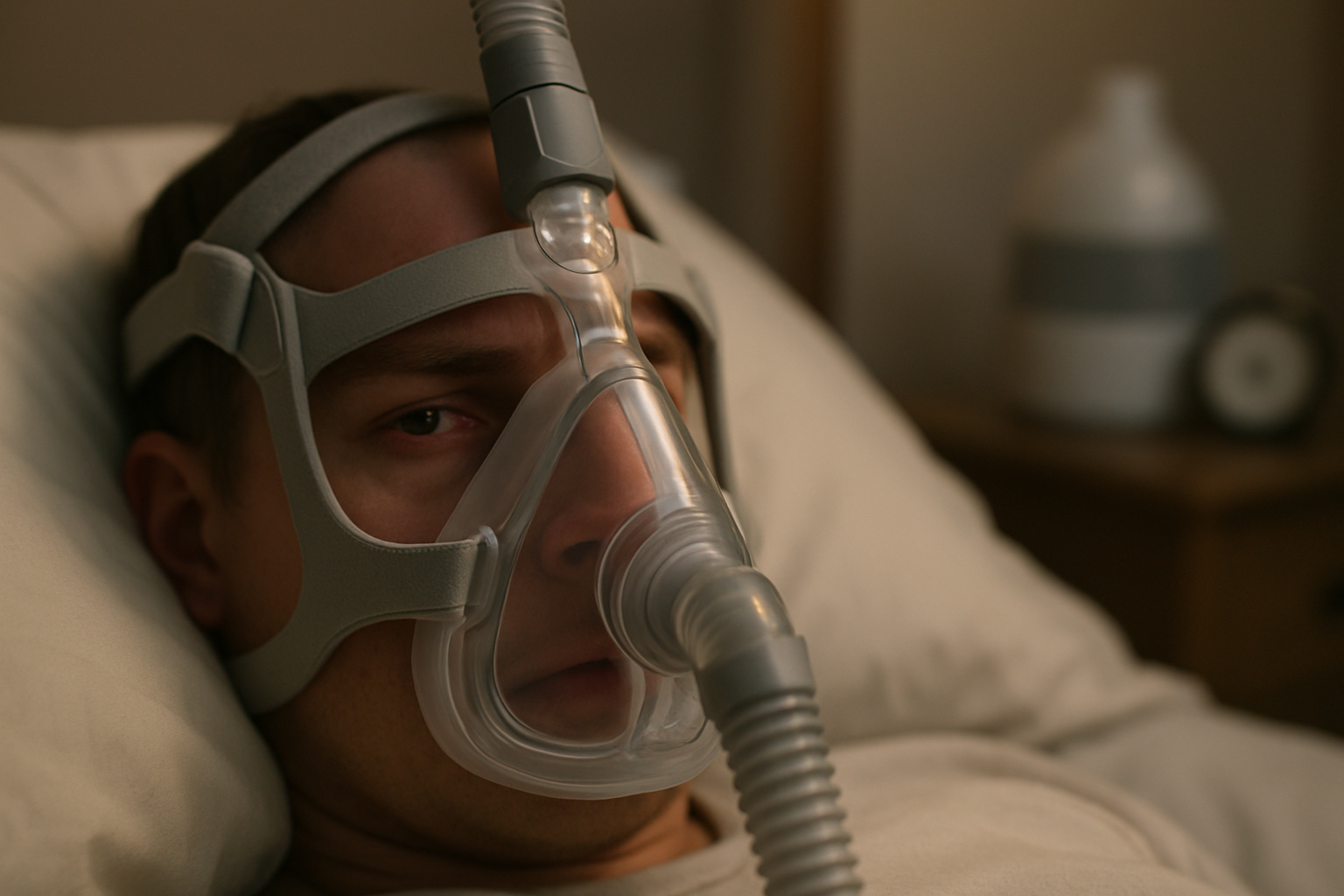
Do you wake up at night due to a hissing sound or notice red eyes in the morning? These symptoms may indicate that your CPAP mask is leaking. A leaking mask can affect both the comfort and efficiency of the therapy. Here, you’ll learn about the causes of leaks and how to fix them.
How to Tell if the Mask or Cushion is Leaking
A common sign of a leaking CPAP mask is a hissing sound heard during the night. Additionally, dry eyes or a dry mouth can indicate a leak. To determine if the mask or cushion is leaking, check the connection points and inspect the cushion for visible cracks or wear. Regular checks can help identify and resolve issues early.
It’s important to carefully inspect the mask for signs of wear. Even small cracks or deformations in the cushion can lead to significant leaks. If you’re unsure whether your mask’s seal is compromised, consider purchasing a new mask or replacement parts. The ResMed AirFit F20 offers a variety of replacement parts that are easy to swap out.
Don’t Overtighten the Headgear: Fit Over Force
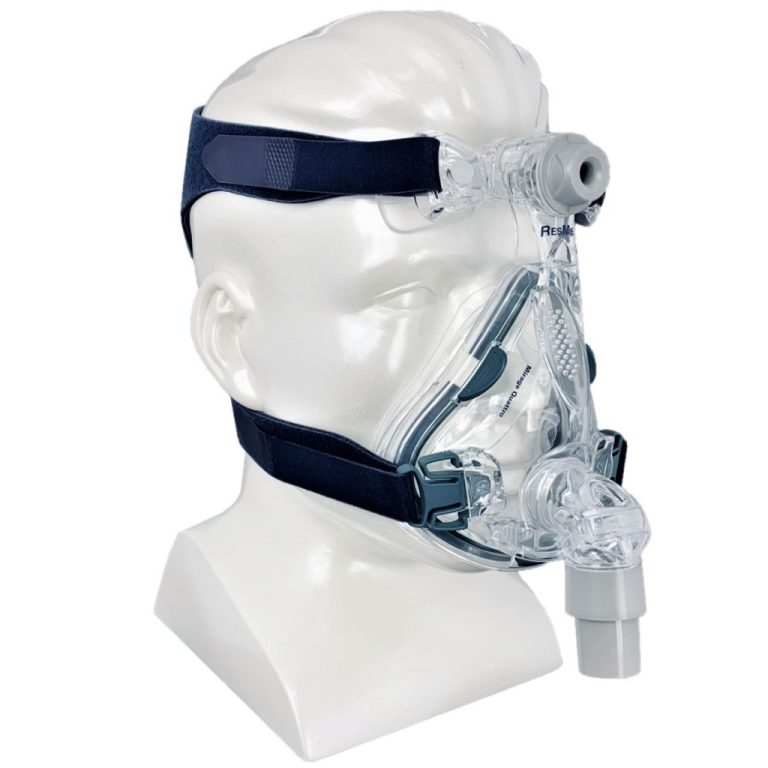
A common mistake when adjusting the CPAP mask is overtightening the headgear. A tight fit can cause pressure points and significantly reduce comfort. Instead, the headgear should be adjusted so that the mask fits comfortably without being too loose. The ResMed AirFit F20 features a magnetic clip headband that allows for easy adjustments.
The right balance between firmness and comfort is crucial for a good fit. Ensure that the headband is neither too tight nor too loose. The magnetic clips of the ResMed AirFit F20 allow for quick adjustments, which is especially helpful if you need to remove or adjust the mask during the night.
When to Replace the Mask Cushion
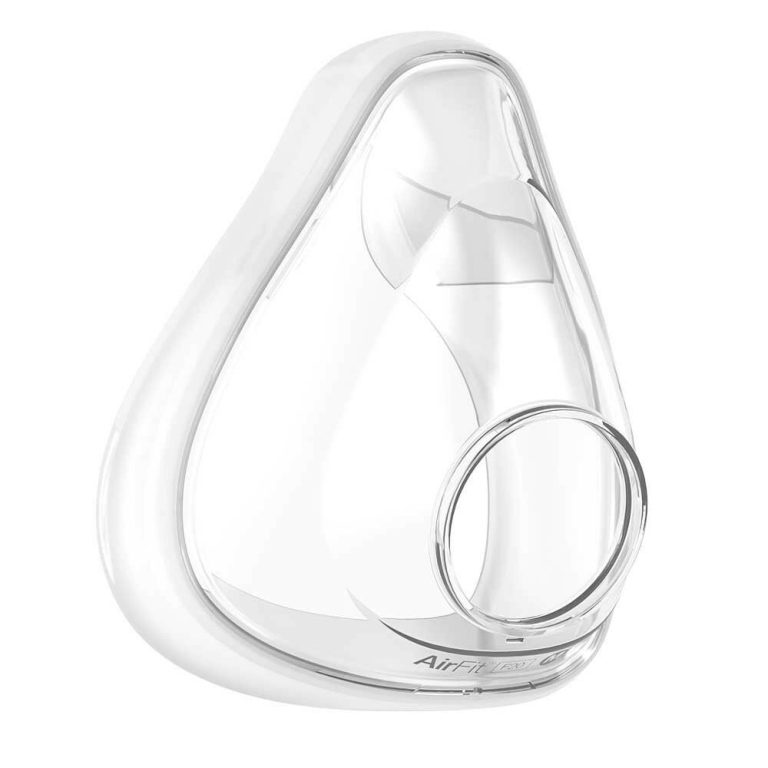
Mask cushions are wear parts and should be replaced regularly. If you notice that the cushion no longer seals properly or shows visible signs of wear, it’s time to consider a new cushion. The ResMed AirFit F20 offers cushions in various sizes that can ensure an optimal fit.
Regular replacement of the mask cushion can improve the mask’s seal and increase comfort. Check the cushion for deformations or material fatigue to ensure it functions properly. The ResMed AirFit F20 offers cushions in sizes S, M, and L, which can adapt to different facial shapes.
Which Design Fits Better with a Beard or Side Sleeping
If you have a beard or prefer to sleep on your side, choosing the right mask can be crucial. Full-face masks like the ResMed AirFit F20 are designed to adapt to various facial shapes and can seal well even for those with beards. Side sleepers should ensure that the mask remains sealed in this position.
For those with beards, the adaptability of the mask is particularly important. The ResMed AirFit F20 offers flexible adjustment with its InfinitySeal silicone cushion, which works well even with facial hair. For side sleepers, the mask’s design ensures that pressure is evenly distributed, which can minimize leaks.
When to Have the Doctor or Sleep Lab Check the Pressure
If leaks persist despite optimal mask adjustment, it may be due to too high a pressure. In this case, it is advisable to have the pressure checked by a doctor or in a sleep lab. Adjusting the pressure can help improve the mask’s seal.
Regular checks in the sleep lab can help determine the optimal pressure for your therapy. An individually adjusted pressure can increase comfort and support the effectiveness of the therapy. Consult your doctor if you feel that the pressure is not optimally set.
Care and Cleaning of the ResMed AirFit F20
Proper care and cleaning of your CPAP mask are crucial for its longevity and function. Clean the mask cushion regularly with mild soapy water and let it dry completely. Avoid harsh cleaning agents, as they can damage the material.
The headband should also be cleaned regularly to remove sweat and skin oils. A clean mask not only provides better comfort but can also improve the seal. Schedule regular cleaning intervals to maintain your mask’s functionality.
Frequently Asked Questions
Why does my CPAP mask hiss at night?
A hissing sound can be caused by a leak in the mask. Check the fit and the cushion for wear to identify the problem.
How often should I replace the mask cushion?
The mask cushion should be regularly checked and replaced if there are visible signs of wear or leaks to ensure a proper seal.
Can a different mask size help with leaks?
Yes, a well-fitting mask can reduce leaks. Different sizes of the ResMed AirFit F20 can provide a better fit for your facial shape.
For more information on CPAP masks, visit our category page or learn more directly about the ResMed AirFit F20.
Matching products from our shop
Genuine products, fast tracked shipping.
Popular brands: ResMed · Philips Respironics