ResMed AirSense 10 AutoSet: Review, Experiences & Guide (2026)
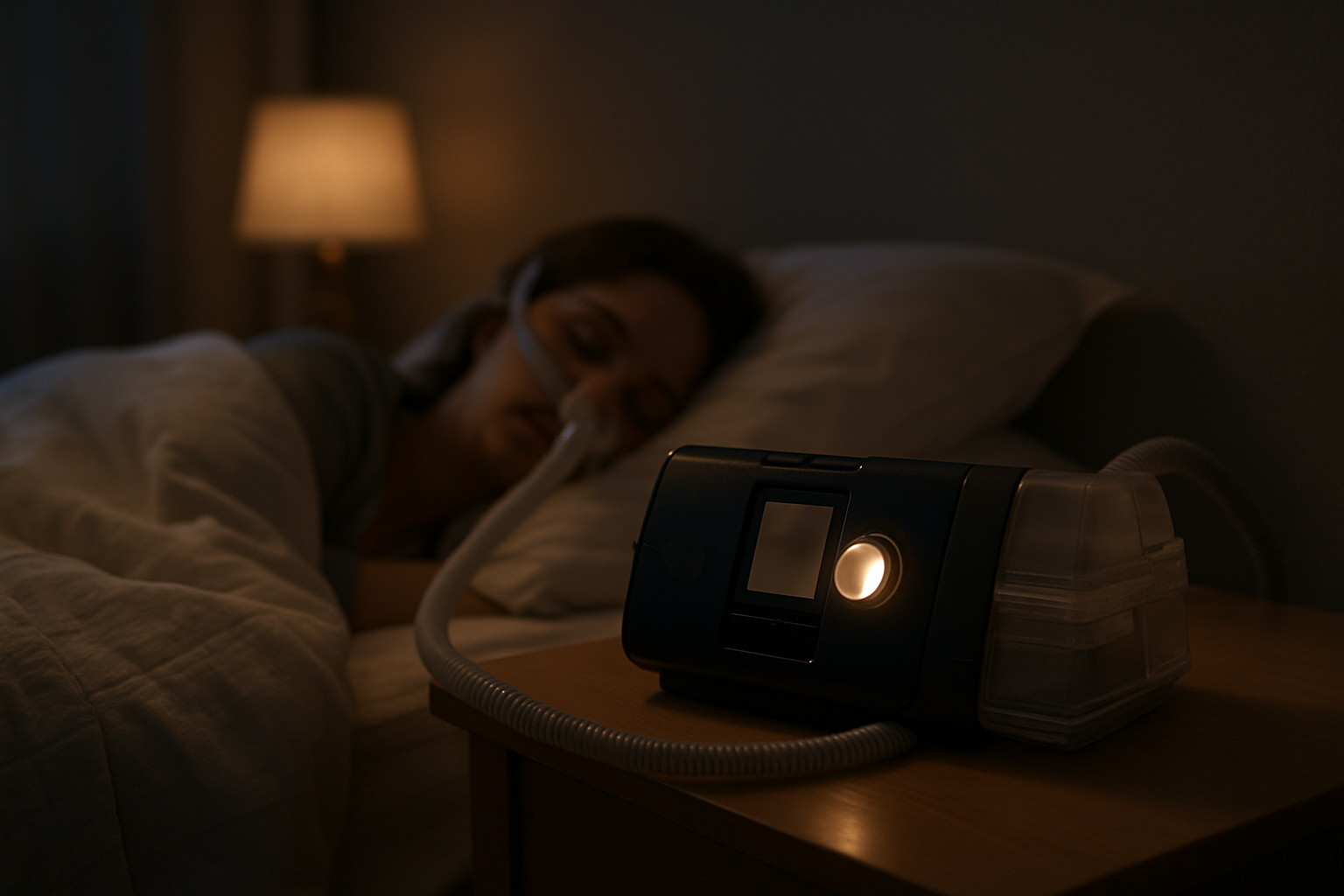
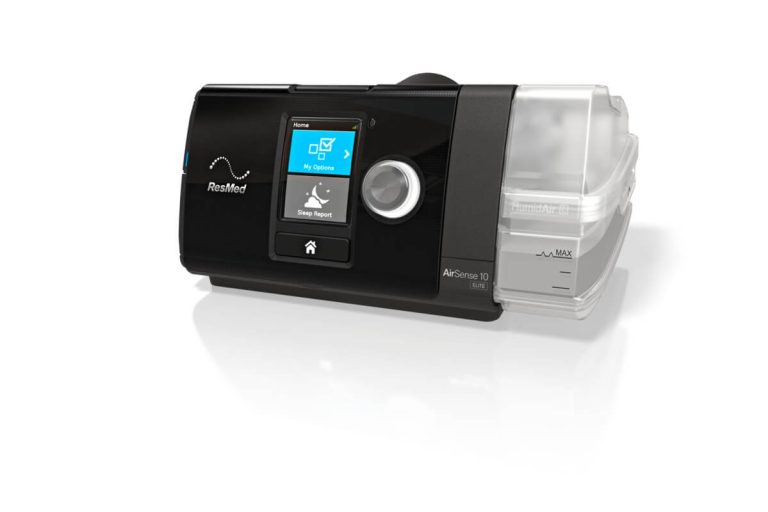
The ResMed AirSense 10 AutoSet has been one of the most widely used CPAP devices worldwide for years—and is considered a reference by many doctors and sleep labs in the treatment of obstructive sleep apnea. In this comprehensive guide, we not only explain what the device can do, but also why its individual features are important for your sleep, how to properly set up and maintain the device, and who it is suitable for.
Sleep Apnea and CPAP: Why Air Pressure is Crucial
In obstructive sleep apnea (OSA), the muscles in the throat relax during sleep, narrowing or blocking the upper airways. The result is breathing interruptions, oxygen drops, and constant awakenings—often hundreds of times per night, without the affected individuals being consciously aware of it. Typical consequences include daytime sleepiness, concentration problems, and a significantly increased risk of high blood pressure and cardiovascular diseases.
A CPAP device (Continuous Positive Airway Pressure) generates a light, continuous positive pressure that keeps the airways open like a “pneumatic splint.” This is where the difference lies between a simple fixed-pressure device and the AirSense 10 AutoSet.
What Does “AutoSet” Mean? APAP vs. Classic CPAP
A classic CPAP device delivers the same, fixed pressure throughout the night. The AirSense 10 AutoSet, on the other hand, operates as an APAP (automatic CPAP): It continuously measures your airflow with the Easy-Breathe motor and detects beginning narrowings, snoring, and breathing interruptions before a complete collapse occurs. It then adjusts the pressure second by second within a range set by the doctor (standard: 4–20 cmH₂O).
The practical advantage: Your pressure needs fluctuate throughout the night—depending on the sleep phase, body position (back position often requires more pressure), or even alcohol consumption. An automatic device provides you with only as much pressure as needed in every situation. This is generally more comfortable than a consistently high fixed pressure and typically increases therapy adherence.
Key Features – and Why They Matter
Automatic Pressure Adjustment (4–20 cmH₂O)
The adjustable range covers virtually all therapy needs. Your doctor or sleep lab sets the upper and lower limits; within these limits, the device regulates itself.
EPR – Easier Exhalation
Many beginners find it uncomfortable to exhale against a constant pressure. The EPR (Expiratory Pressure Relief) function reduces the pressure during exhalation by up to 3 levels (1, 2, or 3 cmH₂O) and releases it again during inhalation. This makes breathing feel more natural – an important comfort factor, especially during the acclimatization phase.
AutoRamp with SmartStart
With AutoRamp, therapy starts with a low, comfortable pressure and only increases to the treatment pressure once the device detects that you have fallen asleep. The ramp time is adjustable from 0 to 45 minutes. SmartStart automatically starts the device as soon as you breathe into the mask and stops it when you remove it – no need to press a button.
HumidAir Humidifier and Climate Control
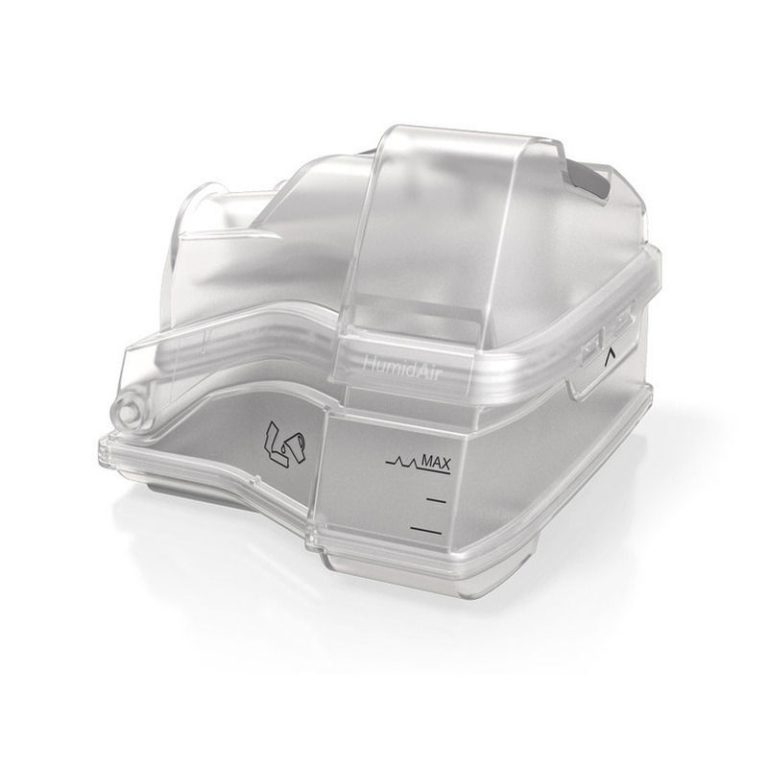
The heated HumidAir humidifier (water chamber approx. 380 ml) adds moisture to the breathing air and prevents a dry nose, dry throat, and nosebleeds – common reasons why people discontinue therapy. In combination with the optional heated ClimateLineAir tube, climate control keeps temperature and humidity constant and prevents condensation in the tube (“rainout”).
myAir App and Understanding Therapy Data
The AirSense 10 AutoSet records detailed data every night and transmits it (with an active cellular connection) to the free myAir app. There, you can see your personal score in the morning and – most importantly – your AHI (Apnea-Hypopnea Index), which is the number of breathing events per hour. An AHI below 5 is generally considered well-adjusted therapy. Mask fit and usage duration are also recorded, allowing you and your doctor to optimize the treatment specifically.
Technical Specifications at a Glance
- Mode: AutoSet (APAP), CPAP, AutoSet for Her
- Pressure Range: 4–20 cmH₂O
- Pressure Relief: EPR Level 1–3
- Ramp: AutoRamp, 0–45 minutes
- Humidifier: integrated HumidAir, chamber approx. 380 ml, up to 93% humidity
- Operating Noise: approx. 26.6 dB(A) – whisper-quiet
- Weight: approx. 1.25 kg including water chamber
- Dimensions: approx. 25.5 × 11.6 × 15 cm
- Data Recording: SD card + myAir App
Setup and Daily Use
- Remove the water chamber, fill it with distilled water up to the mark, and reinsert it (never fill it while in the device).
- Connect the air tube to the device outlet and the CPAP mask.
- Plug the device into the power outlet. Thanks to SmartStart, just breathe into the mask – the therapy starts automatically.
- Use the large dial and color display to adjust ramp, humidity level, and EPR in the comfort menu.
- In the morning, simply remove the mask – the device stops automatically and saves the night’s data.
Cleaning and Maintenance
Regular maintenance extends the lifespan and protects your health:
- Daily: Empty the water chamber, rinse with warm water, let it air dry; use fresh distilled water.
- Weekly: Clean the mask, headgear, tubing, and water chamber in mild soapy water and dry thoroughly.
- Regularly: Check the air filter and replace it approximately every 6 months (or sooner if dirty).
Use only distilled water – tap water leads to lime deposits in the water chamber.
Common Problems and Practical Solutions
- Leaky Mask / Air Leakage: Adjust the headgear evenly but not too tightly; check the mask cushion for tears and replace if necessary. Often, a different mask size helps.
- Dry Mouth: Increase the humidification level; mouth breathers benefit from a full face mask or a chin strap.
- Condensation in the Tube (Rainout): Use a heated ClimateLineAir tube or slightly lower the humidification level.
- Pressure Feels Too Strong: Activate EPR and extend AutoRamp – this helps you adjust more gently to the therapy.
Strengths and Limitations – Honestly Evaluated
Pros: Reliable automatic pressure regulation, very quiet operation (ideal for couples), simple, senior-friendly operation, integrated humidification, and thoughtful data analysis via myAir.
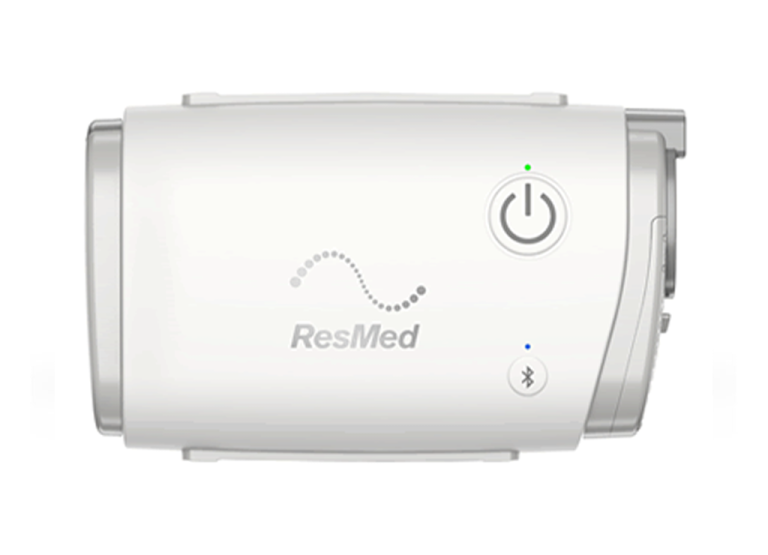
Things to Know: Some users report that the water chamber can be somewhat difficult to remove. Only the ClimateLineAir is compatible with heated tubes. Unlike the compact AirMini, the AirSense 10 is a classic bedside device – there are lighter alternatives for frequent travel. It does not have an internal battery; a separate CPAP battery is needed for off-grid use.
Comparison: S9, AirSense 10, and AirSense 11
The AirSense 10 (launched in 2014) is the successor to the proven ResMed S9 series and introduced the integrated humidifier (HumidAir), the quieter Easy-Breathe motor, and cellular data transmission. The newer AirSense 11 followed in 2021. The AirSense 10 remains very popular – often for its better price-performance ratio and because many users prefer the classic dial to touchscreen operation.
| Feature | AirSense 10 AutoSet | AirSense 11 AutoSet | AirMini (Travel) |
|---|---|---|---|
| Launch Year | 2014 | 2021 | 2017 |
| Operation | Dial + LCD | Touchscreen | App |
| Weight | approx. 1.25 kg | approx. 1.13 kg | approx. 0.3 kg |
| Humidifier | integrated (HumidAir) | integrated | waterless (capsule) |
| Connectivity | Cellular | Cellular + Bluetooth | Bluetooth |
| Ideal For | Home, best price-performance | Home, latest app features | Travel |
In short: If you’re looking for a proven, quiet home device with easy operation, the AirSense 10 AutoSet is still a great choice. For travel, consider the compact ResMed AirMini Travel CPAP.
Who is the AirSense 10 AutoSet Suitable For?
The device is suitable for the vast majority of people with obstructive sleep apnea – especially for beginners who want a comfortable, self-adjusting therapy without manual readjustment, as well as for those who value quiet operation and understandable evaluations. Important: CPAP devices are prescription medical devices and are set based on a medical diagnosis and pressure prescription.
Frequently Asked Questions (FAQ)
What is the difference between AirSense 10 AutoSet and “AutoSet for Her”?
The “for Her” algorithm is tailored to the often different breathing patterns of women (e.g., more flow limitations). The hardware is identical.
How loud is the device really?
At around 26.6 dB(A), it is one of the quietest CPAP devices and is barely noticeable in the bedroom.
How do I know if my therapy is working?
Check your AHI in the myAir app: a value below 5 events per hour indicates a well-adjusted treatment. If setbacks persist, discuss the data with your doctor.
Can I take the device on a plane?
Yes. It is FAA-approved and can be carried as a medical device in hand luggage.
Do I need a prescription?
Yes, the AirSense 10 AutoSet is a medical device and is used following a doctor’s prescription.
Conclusion
The ResMed AirSense 10 AutoSet is a mature, quiet, and very reliable automatic CPAP, combining comfort features like EPR, AutoRamp, and integrated humidification with understandable data analysis. It is one of the best recommendations for effective and pleasant sleep apnea therapy for both beginners and experienced users. If you have questions about selecting a device, mask, or accessories, we are happy to assist – with fast shipping from Germany.
Matching products from our shop
Genuine products, fast tracked shipping.

Popular brands: ResMed · Philips Respironics