What is CPAP Therapy? Everything You Need to Know
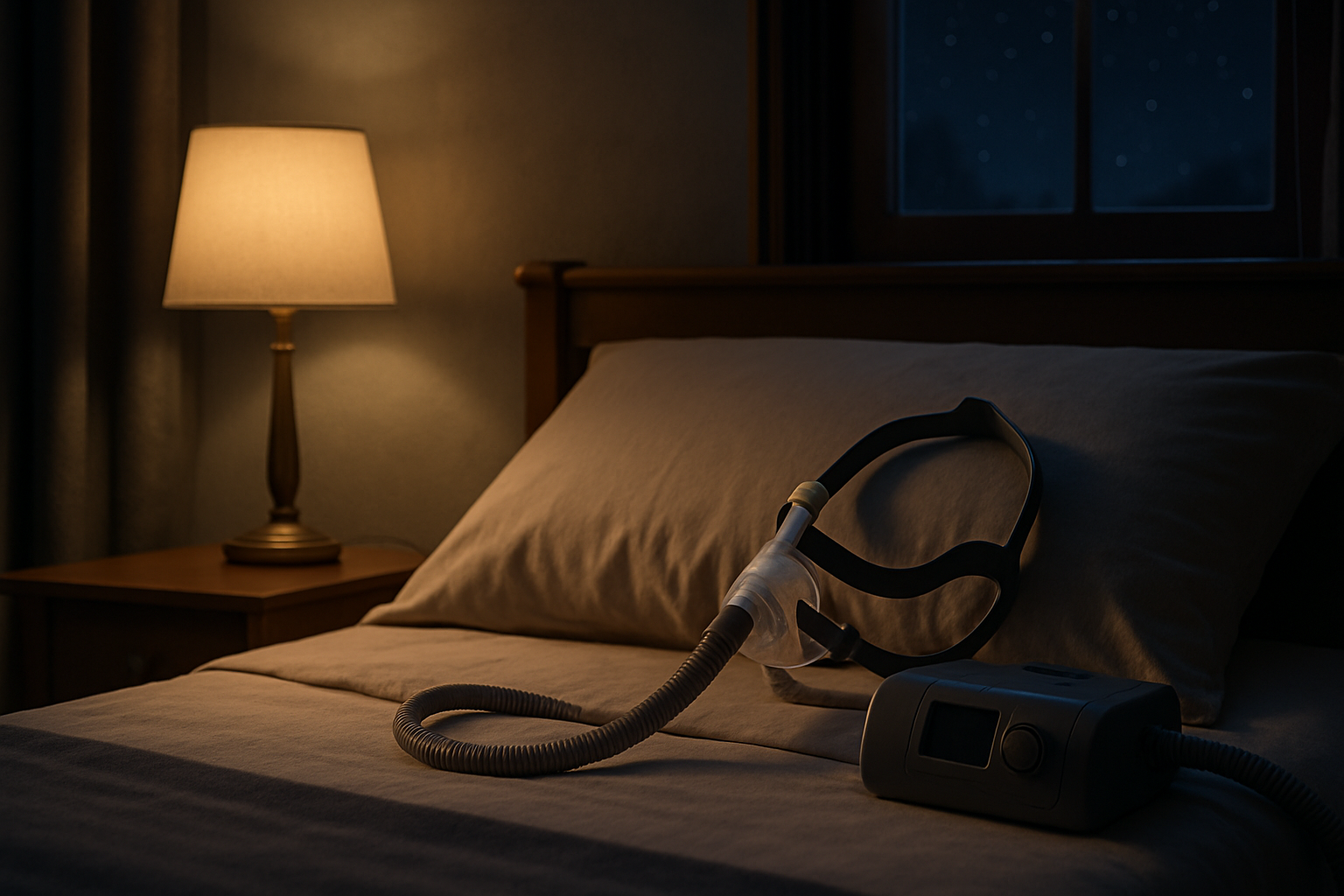
You have been diagnosed with sleep apnea and prescribed CPAP therapy. At the start of treatment, many questions and challenges arise.
Learn what you need to know about living with sleep apnea, managing treatment challenges, and more.
A CPAP device (Continuous Positive Airway Pressure) is the most commonly prescribed device for treating sleep apnea.
What is CPAP Therapy: How it Works, Preparation, and Results
CPAP therapy is an effective home treatment for people who can breathe spontaneously but have difficulty breathing during sleep.
CPAP continuously keeps the patient’s airways open and supports breathing by allowing a device to blow air with slight pressure.
This is What CPAP Therapy Looks Like
CPAP therapy includes a CPAP device that comprises the following:
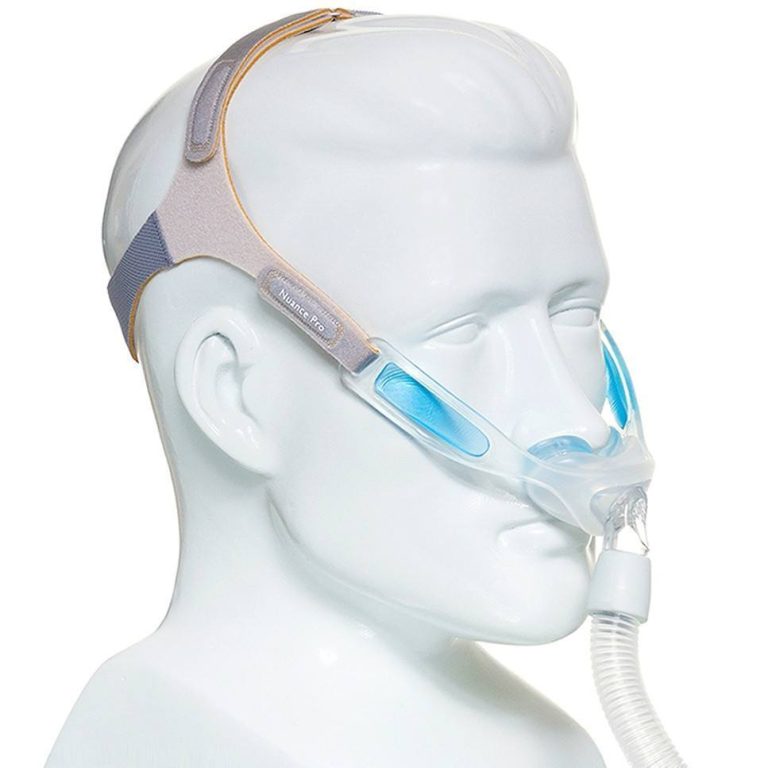
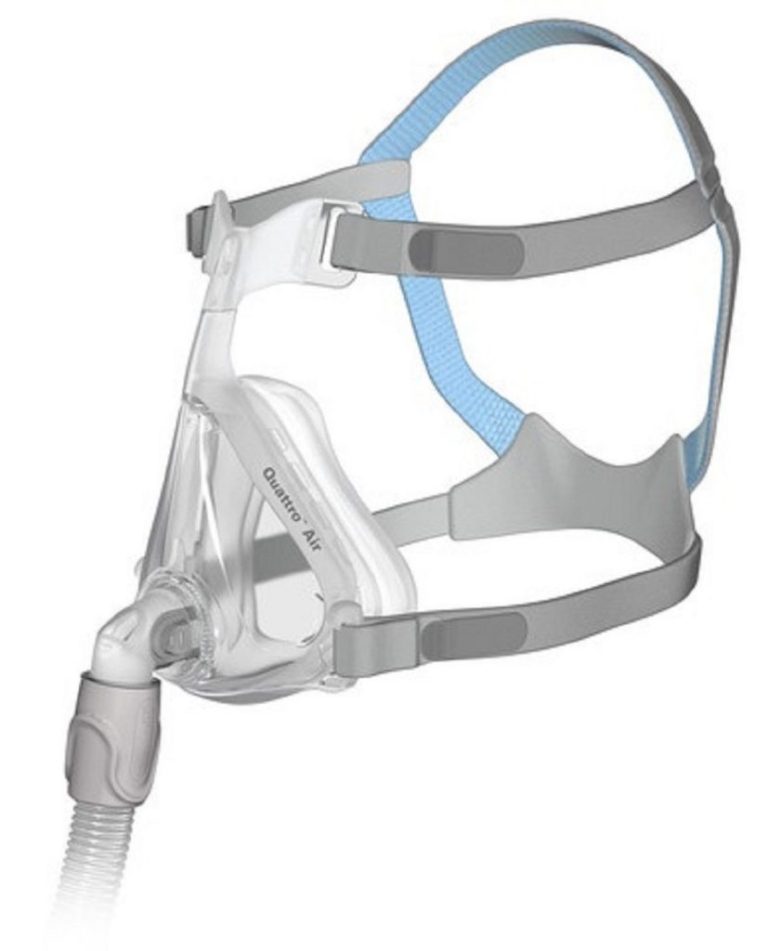
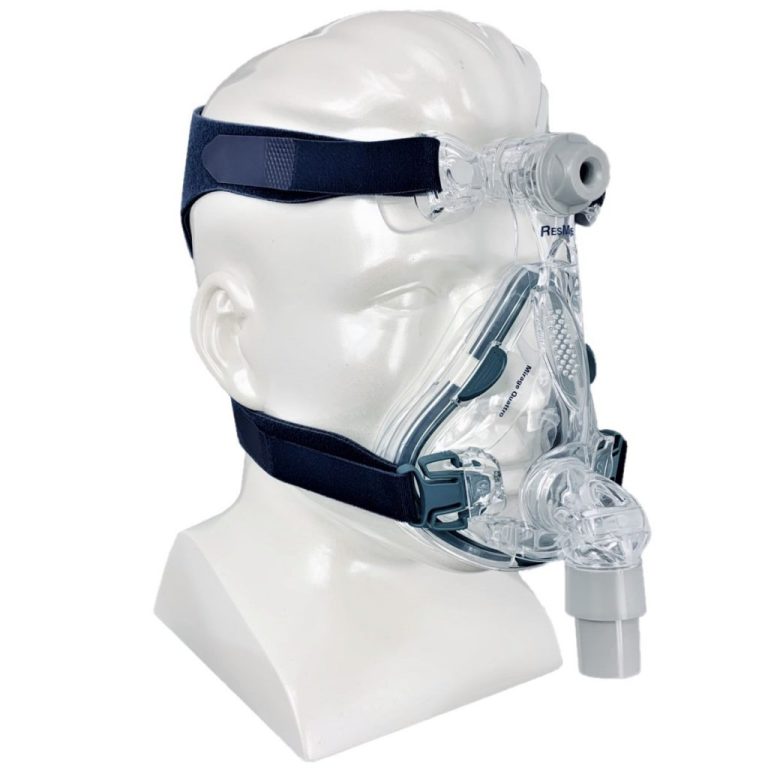
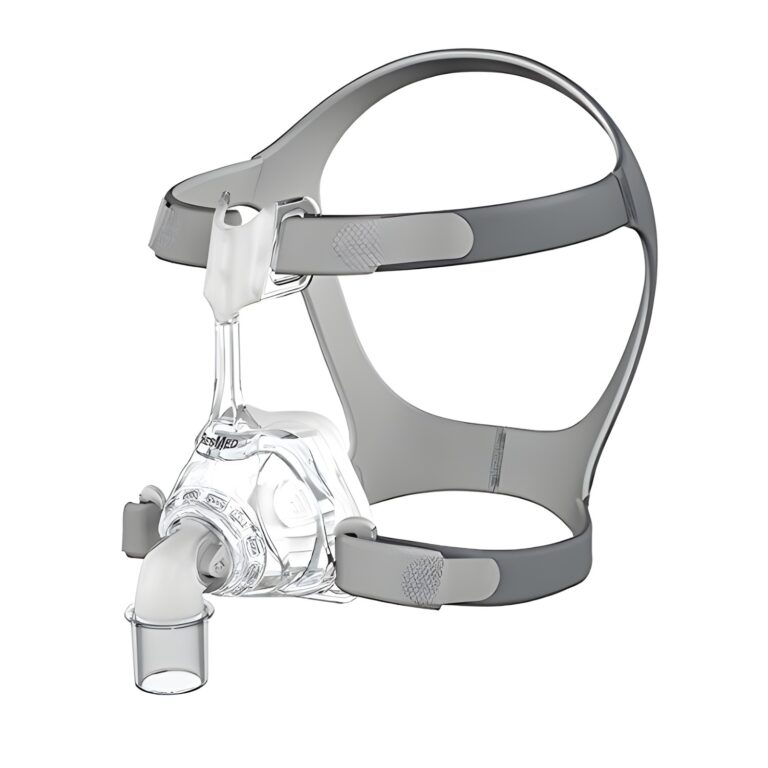
- a mask that covers the nose and mouth, a mask that only covers the nose, or nasal pillows that are inserted into the nostrils;
- a tube that connects the mask to the motor of the CPAP device;
- a motor that blows air into the tube.
A CPAP Device May Consist of:
- a part worn on the face, such as a full-face mask that covers the entire face;
- a full mask that covers the nose and mouth;
- a nasal mask that covers the nose;
- a nasal cushion that sits under the nose;
- nasal pillows that are inserted into the nostrils;
- a motor that pumps the air;
- a tube that connects the device to the mask.
A sleep specialist or pulmonologist usually monitors the patient initially in a sleep lab to determine the optimal air pressure for the individual. The doctor helps in selecting the right mask that meets the individual needs. The patient must sleep with the mask every night while the CPAP device is turned on.
Side Effects of CPAP Therapy
The most common side effects of CPAP therapy include:
- a feeling of claustrophobia under the CPAP mask;
- a stuffy or runny nose.
These side effects can be avoided by checking if your mask is properly adjusted. The mentioned nasal discomfort can be alleviated by heated humidification of the CPAP air. Most CPAP devices are equipped with a heated humidifier, so be sure to use it.
How Effective is CPAP Therapy?
CPAP therapy has proven to be very effective in keeping the airways open in people with sleep apnea. The benefits include:
- a normal sleep pattern;
- improved sleep quality;
- better concentration and memory;
- more alertness during the day;
- a significant decrease in daytime sleepiness;
- a reduction in snoring;
- a reduction in high blood pressure;
- better overall health;
- an improved quality of life.
Matching products from our shop
Genuine products, fast tracked shipping.
Popular brands: ResMed · Philips Respironics