The 8 Most Common CPAP Device Issues and Tips for Solving Them
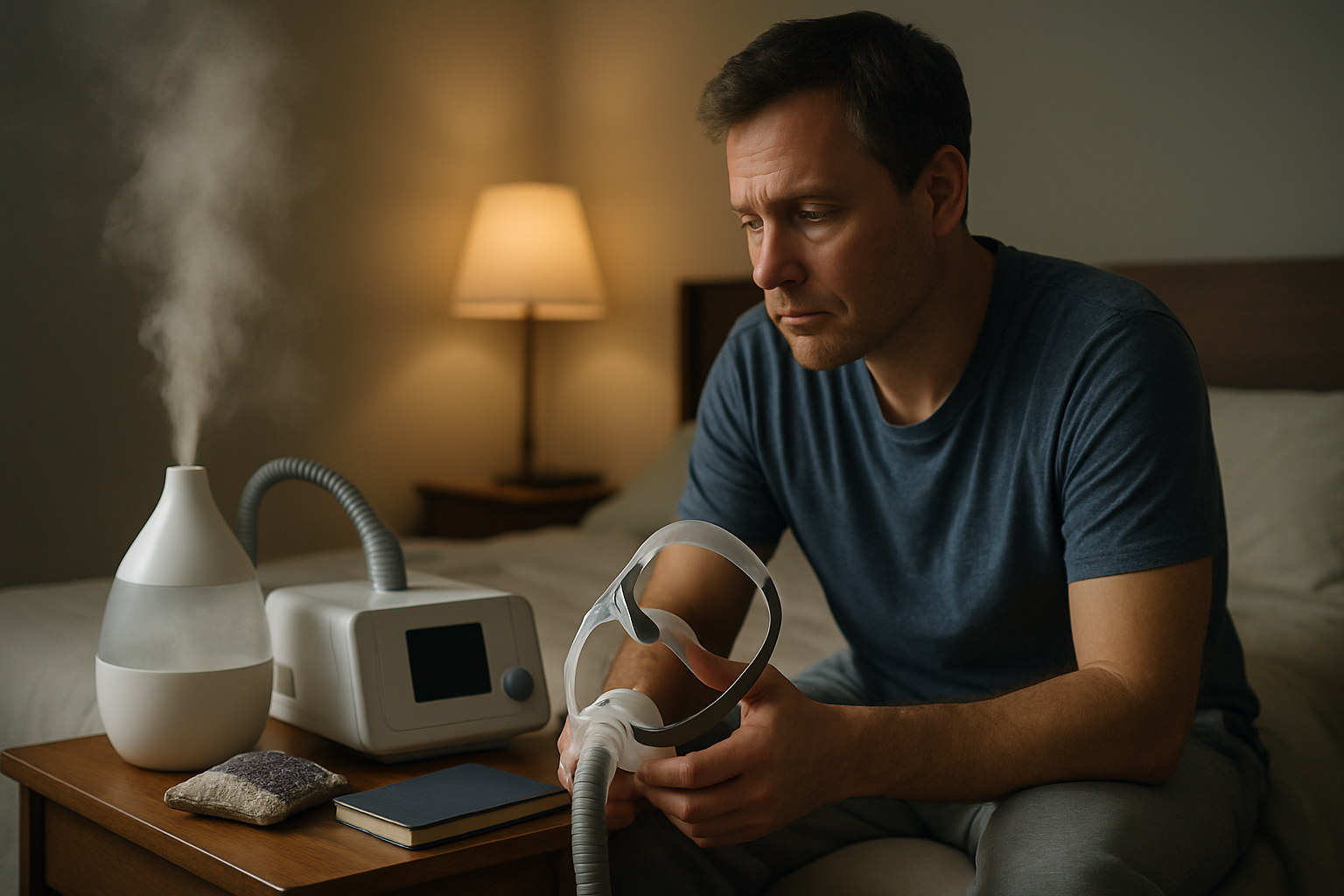
No matter what type of treatment it is: The question of the risk-benefit ratio has always been a top priority.
With treatment using a CPAP device, it’s no different. In this context, there are some unwanted effects that patients complain about: uncomfortable masks, difficulties with positive airway pressure, dry or congested noses, pressure sores, skin irritations, difficulty falling asleep, or other side effects.
Your doctor knows that you should inform them about your experiences during follow-up visits.
Common Problems Associated with CPAP Device Treatment
1. Dry Mouth / Dry or Congested Nose
Many patients complain of a dry or congested nose or dry mouth after starting treatment.
The dry and congested nose is likely the result of a leaky mask, while dry mouth often comes from sleeping with an open mouth. A heated humidifier can solve this problem.
If the heated humidifier doesn’t help, a saline nasal spray can alleviate the dry and congested nose, while a chin strap can prevent dry mouth. Wearing a snug-fitting mask can also alleviate this issue.
2. Insomnia
Some patients report being unable to fall asleep since using the CPAP device. This is probably due to a pressure setting that is too high.
It could also be due to the mask or the noise level of the device. The former can be addressed by a special feature available on some CPAP devices where the pressure setting starts low and gradually increases to the preset level.
Another option is to have the CPAP device recalibrated by a sleep lab technician. If the insomnia is because the patient has not yet gotten used to the mask, they can wear it during the day to get accustomed to it more quickly.
In the long term, it is very helpful to avoid alcohol, sleeping pills, and sedatives. If a noisy device is causing difficulty falling asleep, it might be an older model: Most newer models are nearly silent.
If your device was initially quiet but is getting louder, it might be clogged. Cleaning the air filter or getting help from the manufacturer can solve this problem.
3. Pressure Sores or Skin Irritations
Pressure sores can result from a poorly fitting mask. However, this should not be a reason to abandon treatment, as there are many different masks available.
Try different masks until you find one that fits your face perfectly. This ensures comfort and prevents leaks.
For some patients, the mask can cause allergic reactions upon skin contact. These may manifest as rashes, redness, or itching.
If you notice such reactions after starting treatment, it is advisable to visit your doctor. A mask made from a different material can then provide relief.
4. Difficulties with Air Pressure
Some people find it difficult to tolerate the air pressure. This is especially common at the beginning of treatment. The “ramp feature” can counteract this.
This is an automatic function that gradually increases the pressure until the preset pressure is reached.
Switching to a BiPAP device can also solve this problem. A BiPAP device has separate pressures for inhalation and exhalation.
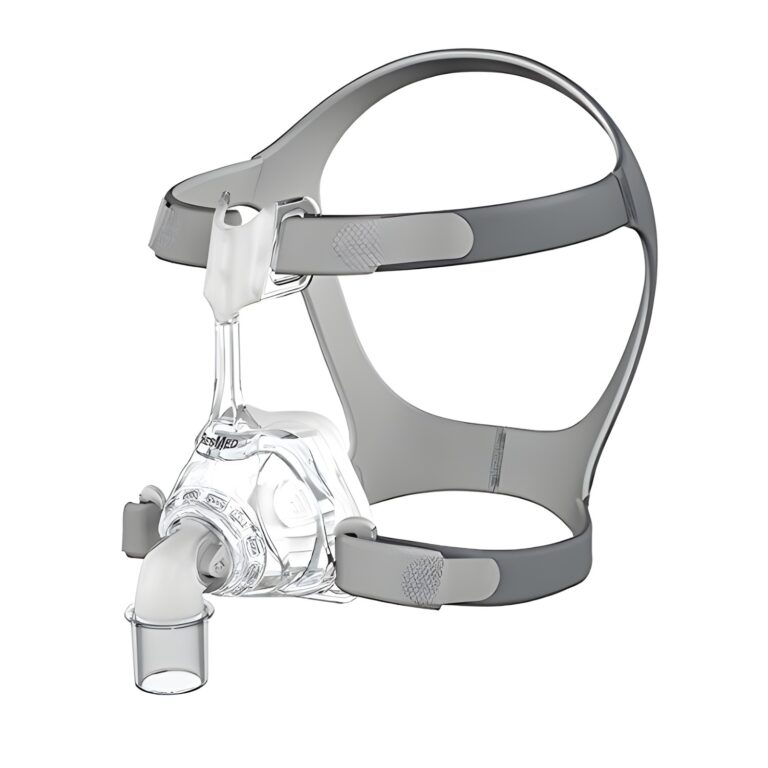
5. A Mask That Doesn’t Fit Properly
Every person’s face is shaped differently. Therefore, it’s not uncommon for a patient to receive a mask that doesn’t quite match their facial features.
However, this is no cause for concern, as there are many different types of face masks available. Some are even adjustable. By working closely with your doctor and the manufacturer, you will surely find a mask that suits you well.
6. The Mask Feels Bulky
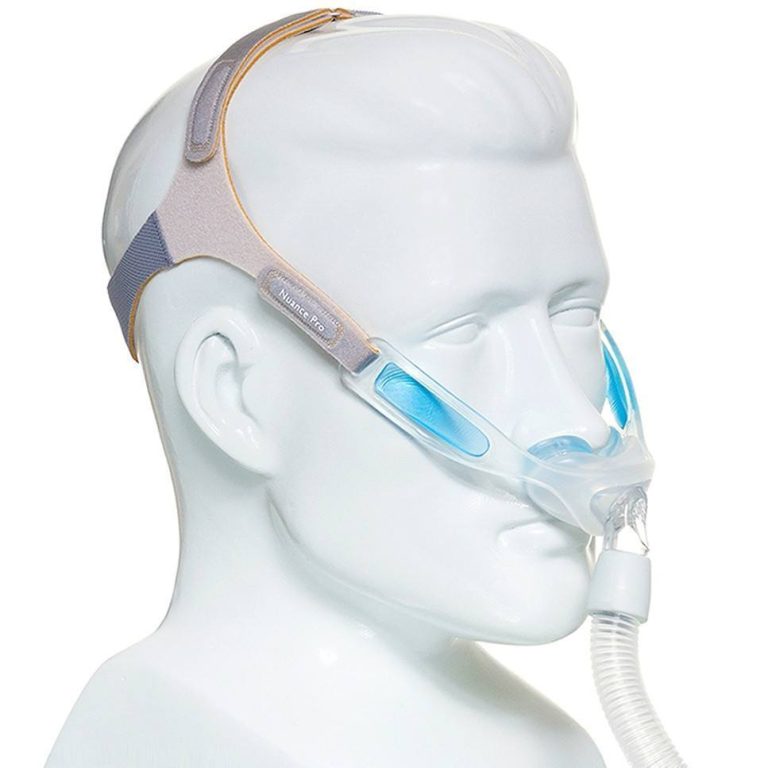
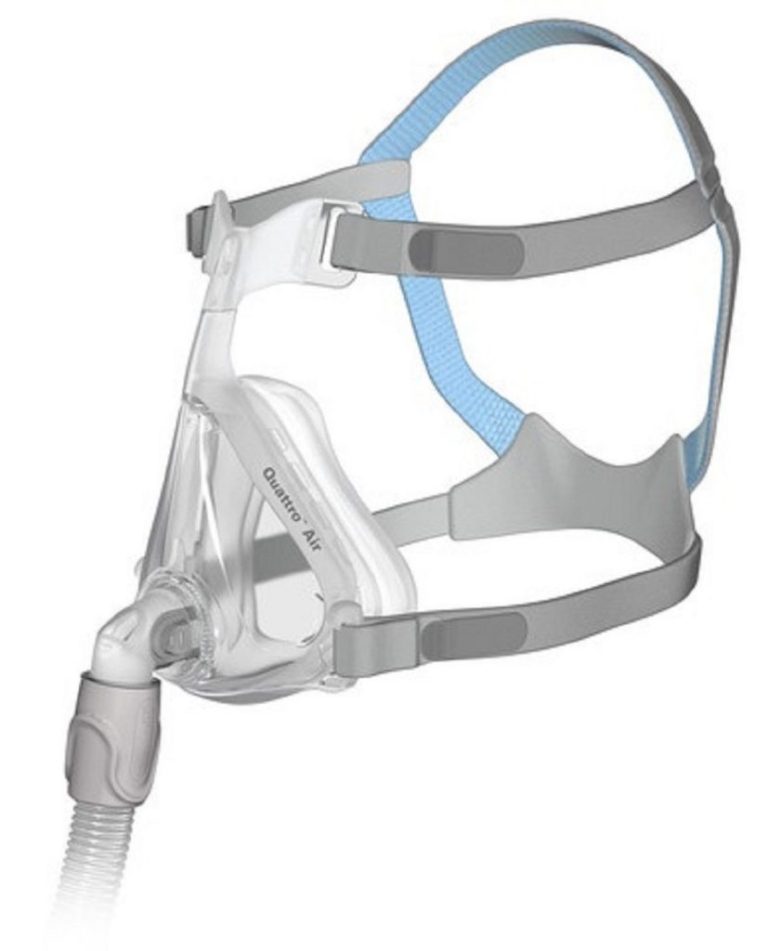
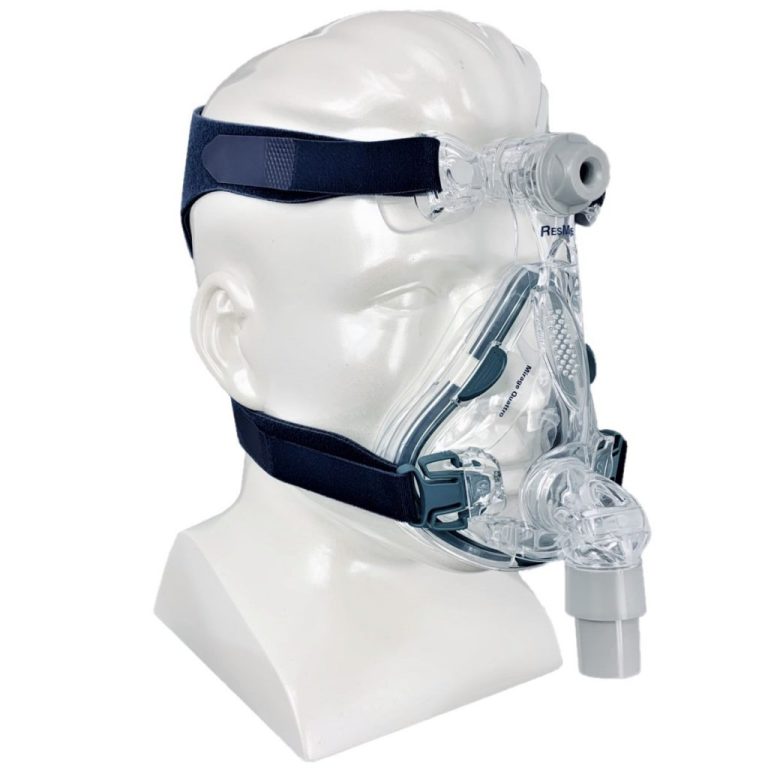
This is especially true for full-face masks. They cover a large part of the face and are secured with straps over the cheeks and forehead. A nasal pillow mask might feel less uncomfortable. However, the downside of this type of mask is that the cushions can easily dislodge if you move a lot in your sleep.
7. An Obstructive Hose
It’s not uncommon for the hose to get in your way, especially if you move a lot in your sleep. A special type of pillow can help here. A good example is the CPAP-Max pillow, which is specifically designed for CPAP users. A neck roll can serve as an alternative to this special pillow.
8. Claustrophobia
Some patients are uncomfortable with the idea of wearing a mask that delivers air into their lungs. Here, wearing the mask during the day can help to get used to the feeling.
It may not be easy at first to get used to a CPAP device, but with continuous use, you’ll be amazed at how quickly your body adapts.
Learn more about CPAP devices on Wikipedia.
Matching products from our shop
Genuine products, fast tracked shipping.
Popular brands: ResMed · Philips Respironics