CPAP Pressure Regulation
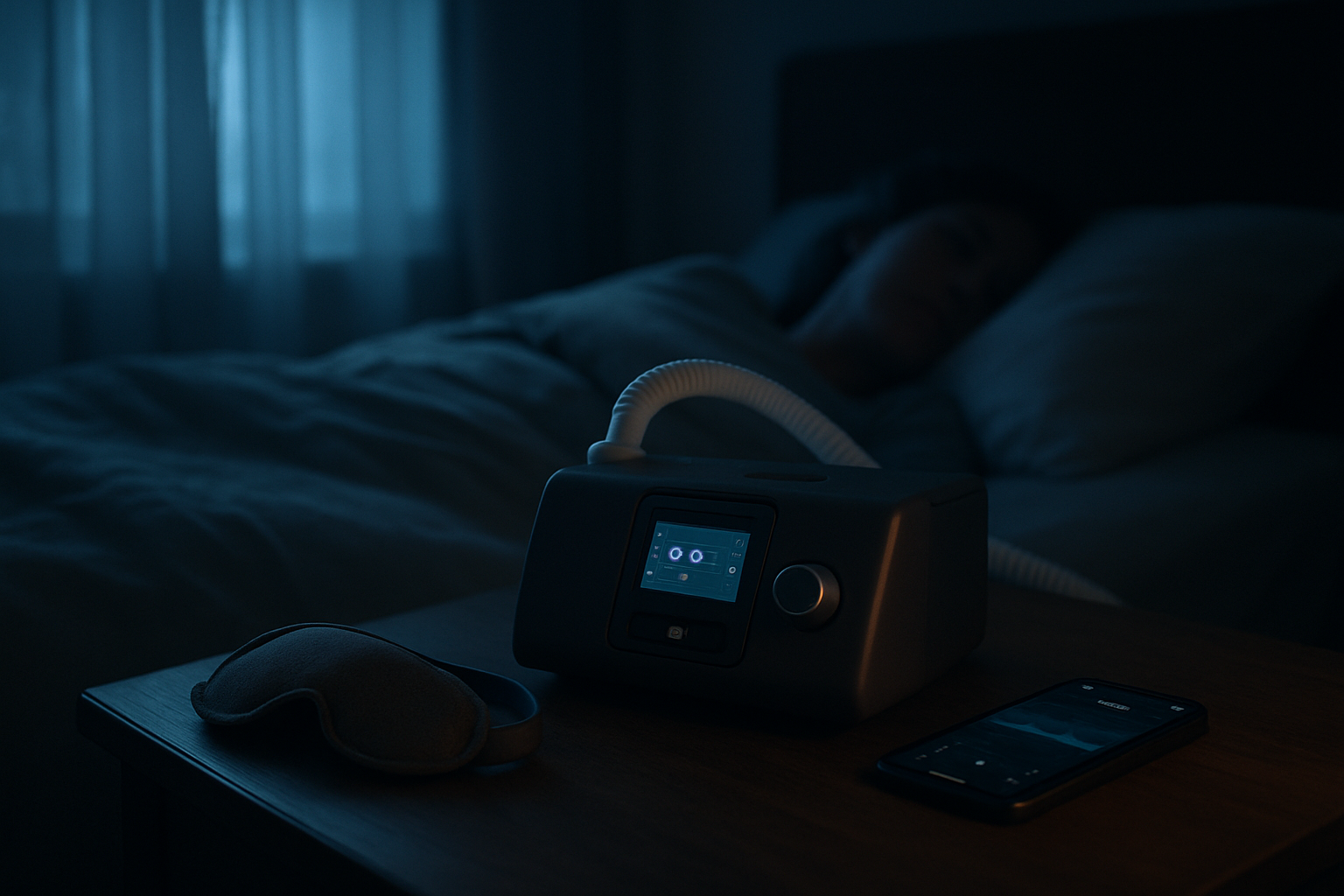
The CPAP Pressure: Too High? Too Low? Just Right! If your CPAP pressure is too high, your apnea and snoring will be well controlled. However, it may lead to side effects such as dry mouth, mask leaks, and general discomfort.
On the other hand, if your CPAP pressure is too low, your apnea and snoring won’t be adequately controlled, and you may wake up feeling tired. Therefore, the CPAP pressure should always be set just right. The video above shows how you can use your sleep data to improve your CPAP pressure setting.
If you have a different device, I would be happy to send you a suitable link if you comment with your “brand and model” in the video. The therapy pressure should be as low as possible while maintaining a healthy, apnea and snore-free night’s sleep with a healthy AHI (Apnea-Hypopnea Index).
You can view your therapy data directly on the device’s display or in a smartphone app. Often, just a few data values are enough to adjust the therapy conveniently from home, without the need for costly clinic visits, tests, and therapy reports. With a bit of trial and error, you can adjust your device yourself as you approach your target AHI (Apnea-Hypopnea Index).
CPAP
As a rule of thumb: If your AHI is below 5, you can further reduce your CPAP pressure. For a fixed-pressure device, simply reduce your prescribed pressure by 0.5 or 1 each night. If you are using an Auto-CPAP, you should lower the maximum APAP value (the highest pressure your device can deliver) by 0.5 or 1 each night.
The main goal should be to keep the pressure as low as possible while maintaining a healthy AHI below 5. Investing a little time in fine-tuning and developing your therapy is a big step towards healthy and comfortable sleep. Positive airway pressure therapy is not a black-and-white matter! It’s about finding a good balance between healthy sleep and comfortable therapy.
You need to experiment with your pressure to find the right balance. Please don’t hesitate to try adjusting your therapy pressure.
If you have access to your sleep data on your device, you can use it as a guide; otherwise, simple trial and error will help. Pay attention to how you feel: Do you feel better and more alert, or rather flat and sluggish? Pay attention to the signals your body gives you, and then try to see if they change at different pressure levels.
Always use your AHI as a guide, but remember that therapy is also about comfort. If you can’t sleep with the device, you should lower your pressure to increase the comfort and consistency of the therapy. In 90% of the patients I’ve seen, the pressure was set much too high for their needs. You need to work on finding the best CPAP pressure levels for your needs.
Your AHI values can fluctuate slightly from night to night, depending on factors such as fatigue, your sleeping position, your diet (such as alcohol consumption), and other influences.
Once you have experimented with your pressure values and found the optimal setting for you, maintain it for a week and then review your average 7-day data. Please keep in mind that the AHI is only meant to serve as a guide.
Some of you may not be able to lower the AHI below 5, and that’s perfectly fine. Feel free to continue experimenting with different levels and see how low you can get the value. But remember, you must always balance apnea control with comfort.
If you are struggling with the therapy, simply set the pressure as low as you like (for most devices, 4 is the lowest value, some can be set to 3). Initially, don’t try to optimize your AHI. For now, be content with prioritizing comfort over control.
After some time, you can slowly start focusing more on effectiveness once your body has gotten used to breathing against the pressure. It’s like a race – but a long-distance race. Don’t pressure yourself and take your time. Then you can gradually increase the pressure on your device step by step.
Learn more about CPAP pressure regulation.
Matching products from our shop
Genuine products, fast tracked shipping.
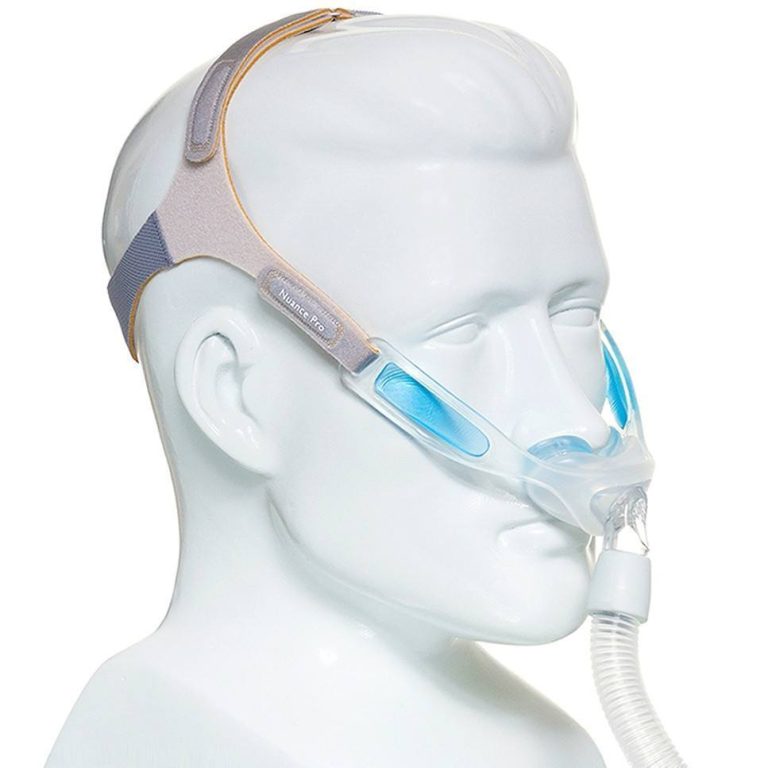
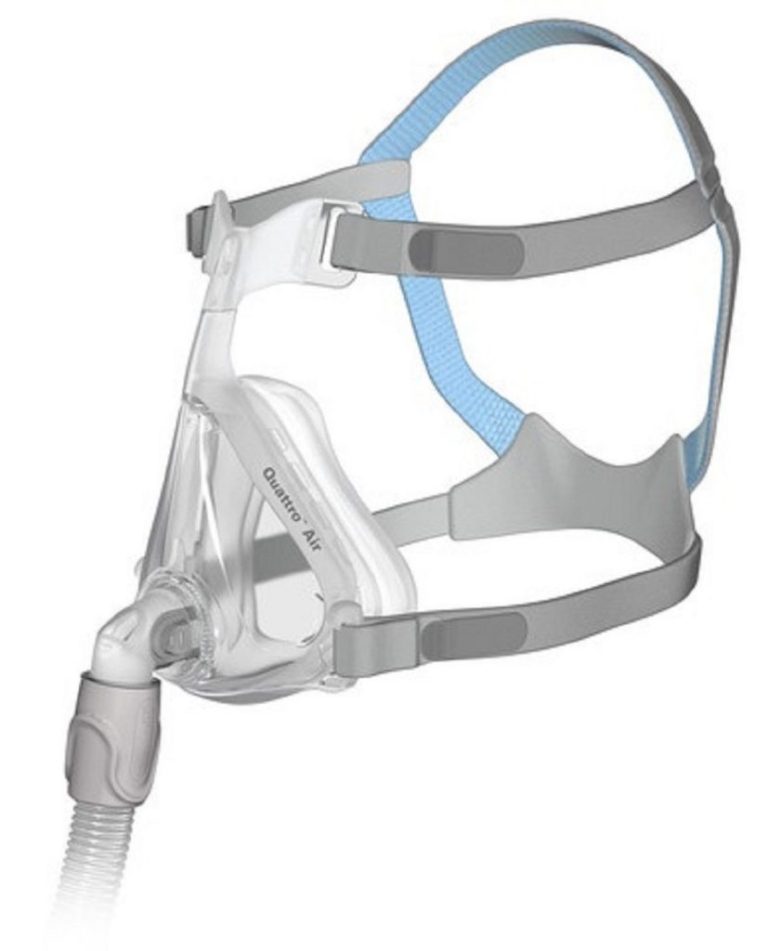
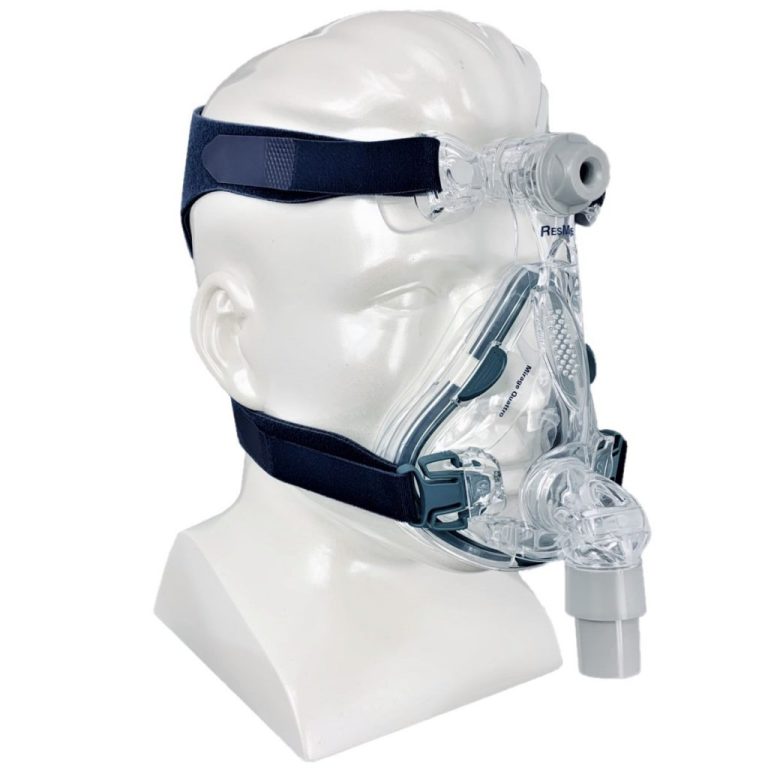
Popular brands: ResMed · Philips Respironics