CPAP Device: Key Technical Terms
Doesn’t this technical jargon also confuse you, intended to exclude anyone not part of the “initiated”? We medical professionals have our own inner circle of so-called initiates. And when it comes to technical terms, we’re certainly at the top of the food chain. How about we let you in on it? Well, if we tried to explain everything to you at once, you’d probably run away before we finished. That’s why today we focus only on terms related to CPAP.
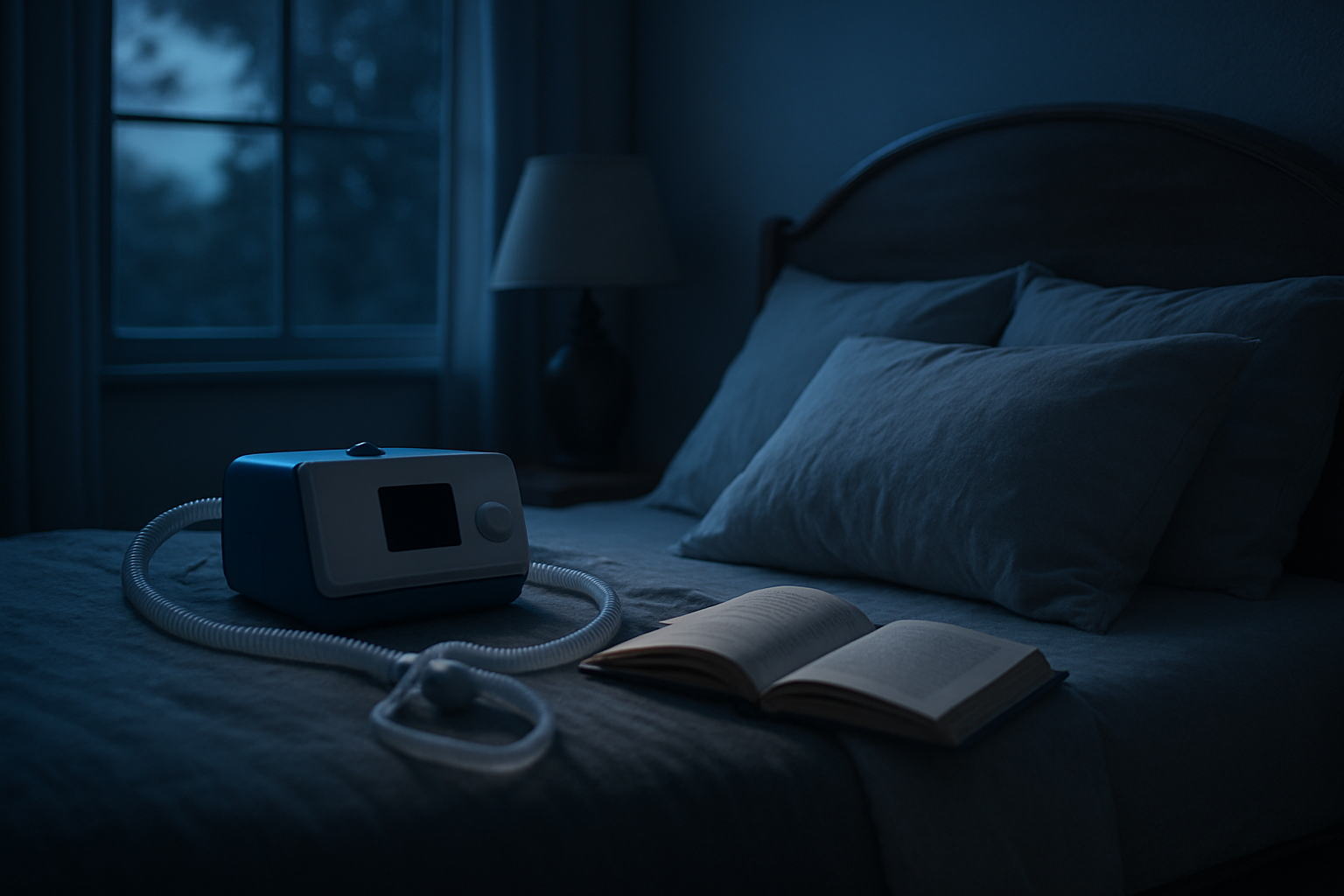
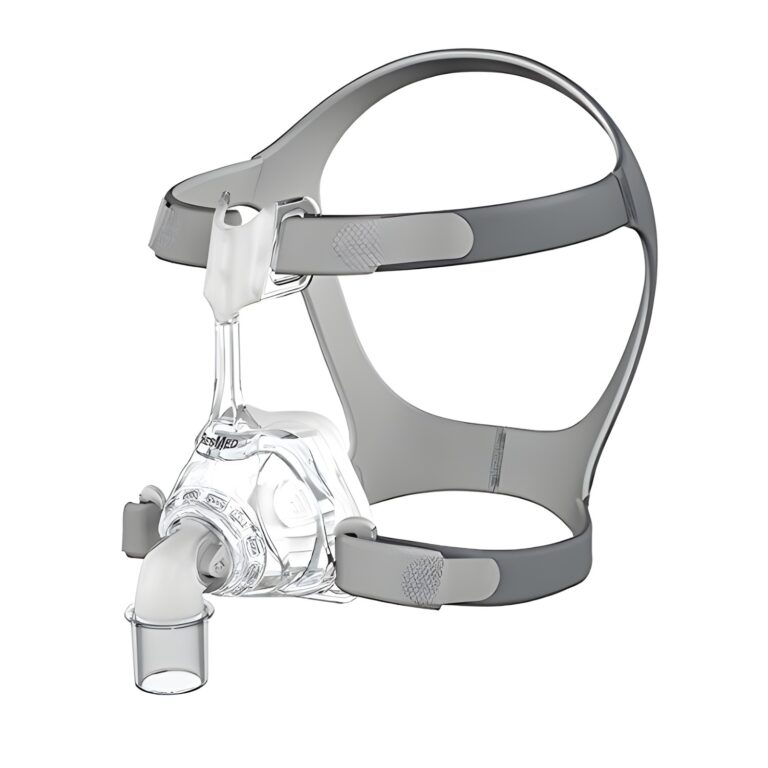
CPAP Device
This abbreviation stands for Continuous Positive Airway Pressure. It is a device used to treat breathing problems in adults as well as infants. For infants, it is used to treat Respiratory Distress Syndrome (RDS). Simply put, the lungs of affected infants are more prone to failure, and without the help of a device that reduces the breathing effort needed to expand the lungs, these children would die. In adults, the most common application is the treatment of obstructive sleep apnea.
Terms from the Physiology of Normal Sleeping and Breathing
NREM Sleep – stands for Non-Rapid Eye Movement. In this sleep phase, as the name suggests, there are few eye movements, and the muscles are not paralyzed.
REM Sleep – stands for Rapid Eye Movement. This sleep phase is characterized by rapid eye movements. In this phase, due to muscle paralysis, one cannot sleepwalk. The thought processes in this phase are hallucinatory.
Melatonin – the hormone responsible for regulating the day-night rhythm. Jet lag can cause an imbalance here. Some foods, such as milk, contain a lot of melatonin.
Surfactant – a substance found in the lungs. Its role is to keep the alveoli open by reducing surface tension. Premature infants do not yet have sufficient amounts of this substance. As a result, they often have breathing problems and need CPAP support until they can produce enough surfactant on their own.
Respiratory Centers – located in the spinal cord and brainstem, they are responsible for regulating breathing in the body. They receive signals and initiate compensatory mechanisms to counteract breathing irregularities.
Carotid Body – a cluster of specialized receptors at the bifurcation of the carotid arteries. They detect changes in carbon dioxide and oxygen concentration in the blood and send signals to the respiratory centers. They can also detect changes in temperature and pH levels.
Aortic Bodies – receptors at the aortic arch. They detect changes in blood pressure as well as oxygen and carbon dioxide concentration in the blood and send corresponding signals to the respiratory centers in case of deviations.
Terms for Unusual Sleeping and Breathing
RDS – a condition where newborns have insufficient amounts of surfactant. They are unable to breathe independently and therefore need CPAP support.
Hypercapnia – refers to an increased partial pressure of carbon dioxide in the blood. It occurs in obstructive apnea due to the accumulation of carbon dioxide in the blood. This can easily lead to metabolic acidosis (increased concentration of carbonic acid in the serum).
Hypoxia – refers to a reduction in the partial pressure of oxygen in the blood. It can also be a consequence of obstructive sleep apnea. Without correction, it can lead to death.
Apnea – a sleep disorder characterized by pauses in breathing. There are three forms of apnea: central sleep apnea, obstructive sleep apnea (OSA), and their mixed form.
Hypopnea – a reduction in airflow during sleep due to an impairment of the airways.
Aerophagia – a common consequence of OSA, characterized by swallowing air.
GERD – stands for gastroesophageal reflux disease, commonly known as heartburn. This condition is typical for people with sleep apnea.
Oxygen Desaturation – a complication of prolonged hypopneas, characterized by an oxygen saturation of less than 92% despite normal room air. It is determined and recorded with a pulse oximeter.
Terms for Diagnostic Criteria and Treatment Options for Sleep Disorders
ASAA – stands for the American Sleep Apnea Association, a health organization dedicated to helping people with sleep apnea.
Titration – determination of the pressure needed to eliminate apnea or hypopnea during sleep. This examination is used to determine the setting value for the CPAP device.
Epworth Sleepiness Scale – a method for determining daytime sleepiness using a questionnaire with eight questions.
LMN – stands for Letter of Medical Necessity.
PSG – stands for Polysomnogram, the diagnostic tool for detecting sleep apnea.
AHI – stands for Apnea-Hypopnea Index. It is used to classify the severity of sleep apnea.
AI – the number of apneic events per hour.
APAP – stands for Automatic Positive Airway Pressure. It is an automatic positive airway pressure device. It can adjust the pressure according to the user’s sleep phases and only applies as much pressure as the respective sleep phase requires.
BiPAP – stands for Bi-level Positive Airway Pressure. This device provides support through positive airway pressure during both inhalation and exhalation.
More about the CPAP device on Wikipedia.
Matching products from our shop
Genuine products, fast tracked shipping.
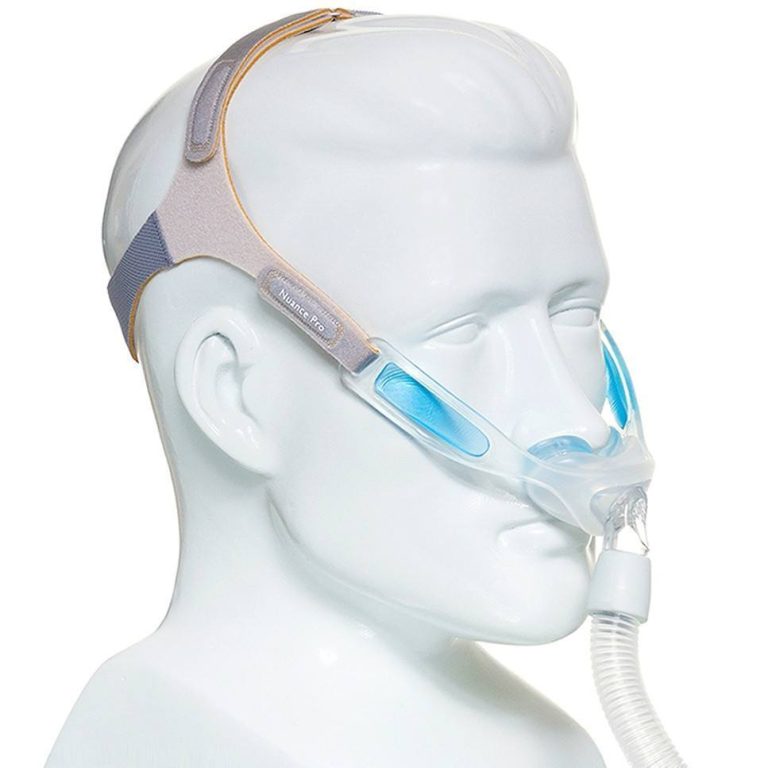
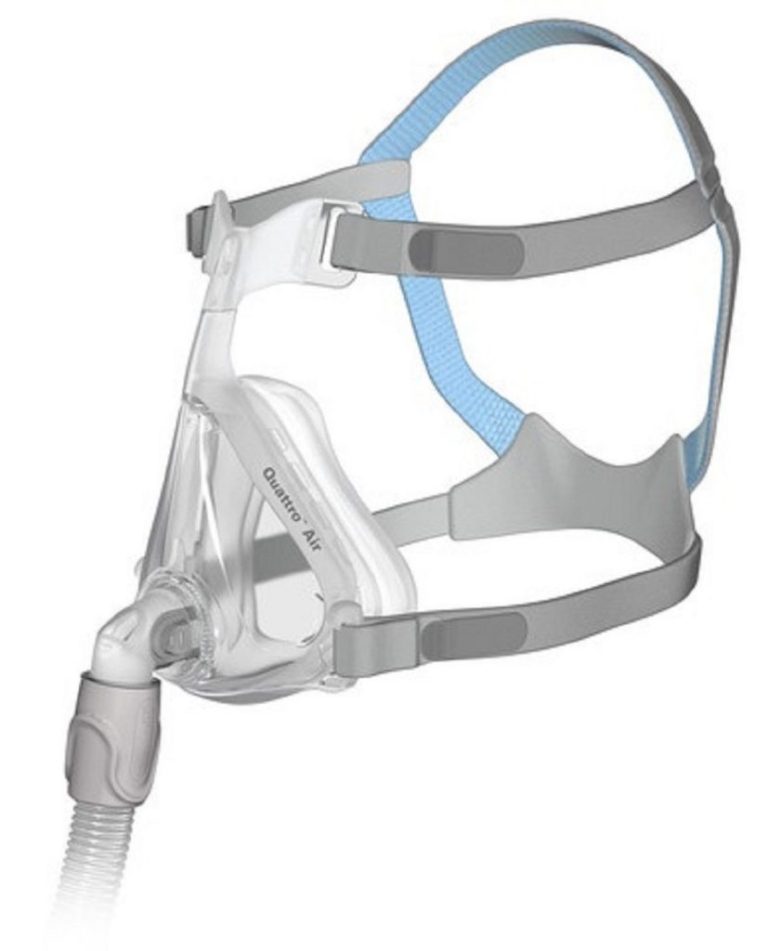
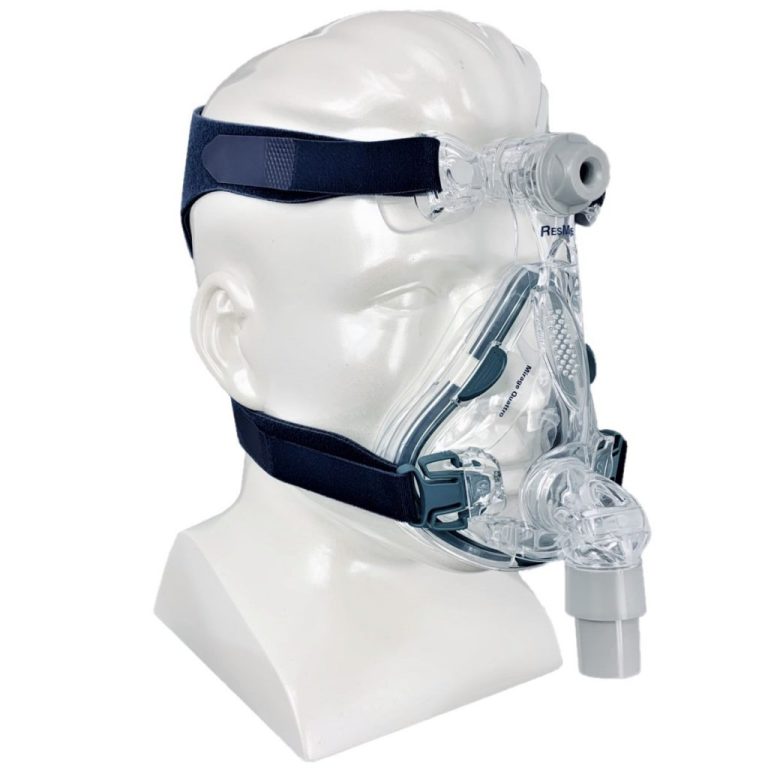
Popular brands: ResMed · Philips Respironics