more about CPAP therapy devices

It’s 1980. A man walks into a hospital, and the doctor there, Dr. Sullivan, confronts him with his diagnosis: severe sleep apnea.
You have three guesses as to what the treatment looked like back then. If you guessed “tracheostomy,” you’re correct.
In this procedure, a hole is cut into the throat to prevent breathing through the nose and mouth. This is quite painful, and you also end up with a hole the size of a small coin in your neck.
However, this story takes a surprising turn because the man refuses this treatment, and Sullivan offers him an alternative treatment. This alternative has gone down in history.
He becomes a test subject for a technique previously only used in experiments with dogs. That same evening, an appointment is made, and the doctor converts a vacuum cleaner into a makeshift continuous positive airway pressure device (CPAP).
This device works excellently, and for the first time, the patient sleeps like a log. Since then, CPAP therapy devices have evolved exponentially.
To understand how CPAP therapy devices work, we have no choice but to take a closer look at the symptoms they are meant to treat.
This technique is most commonly used for treating sleep apnea and respiratory distress syndrome (RDS). In the former case, those affected cannot find restful sleep due to regular breathing pauses, which lead to oxygen deficiency. If this condition is not treated, they suffer from chronic fatigue. In the latter case, children are born with underdeveloped lungs lacking a substance called surfactant (this is the substance that prevents the collapse of the alveoli).
Now that we understand the existing problem – how do we solve it?
Well, it’s quite simple. Since the airways are impaired or collapsed, we just need to ensure they remain open. That’s exactly what a CPAP device does. It increases the pressure in the throat to prevent the collapse of the alveoli or airways.
The doctor advises you to undergo CPAP treatment. What happens next?
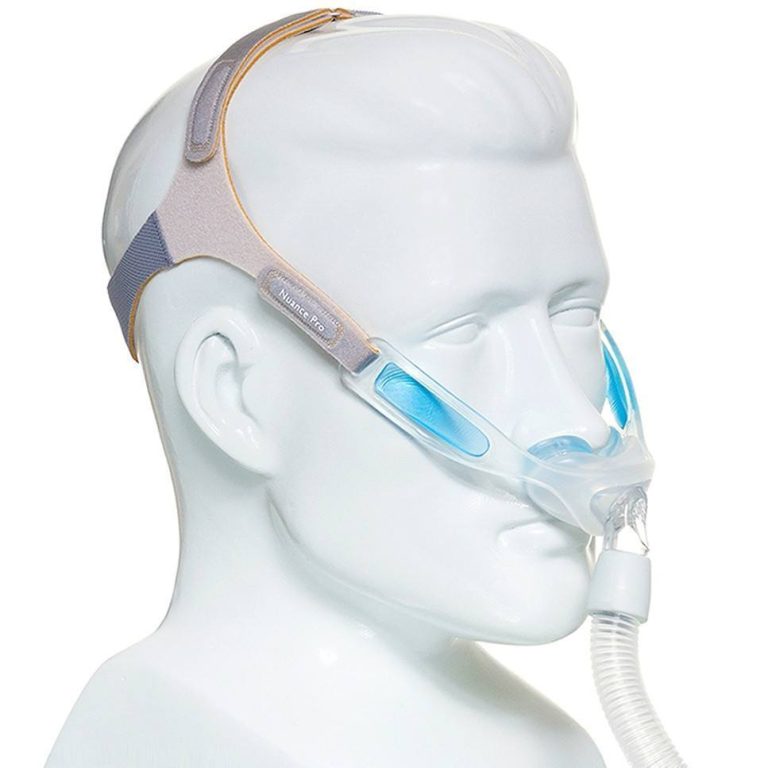
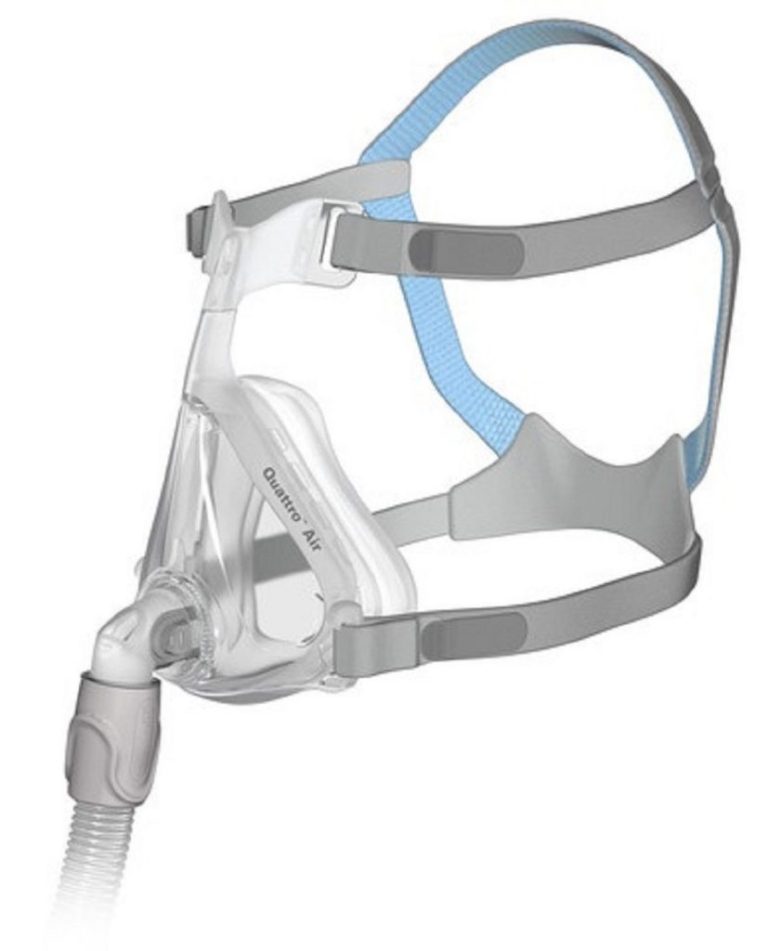
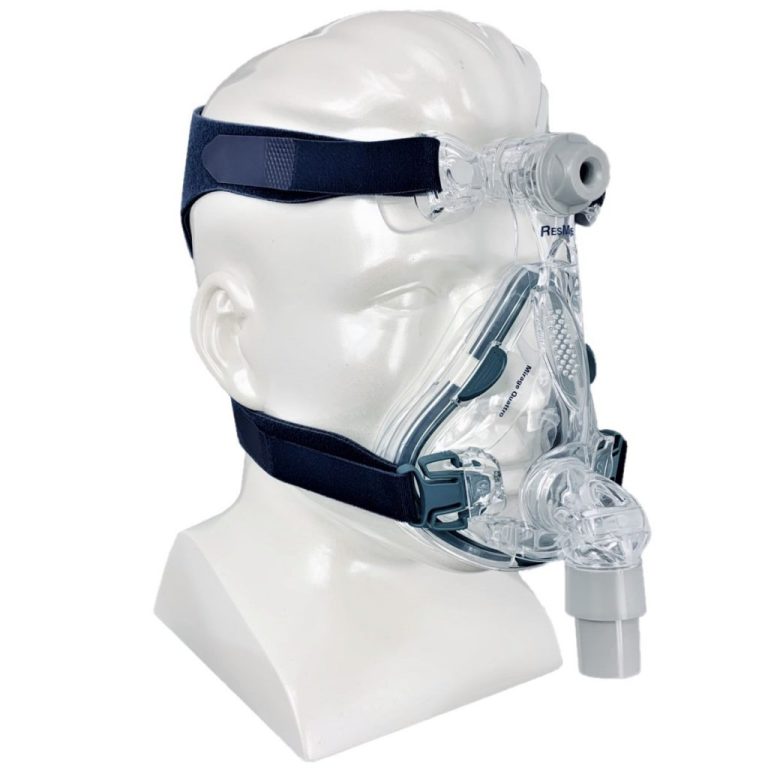
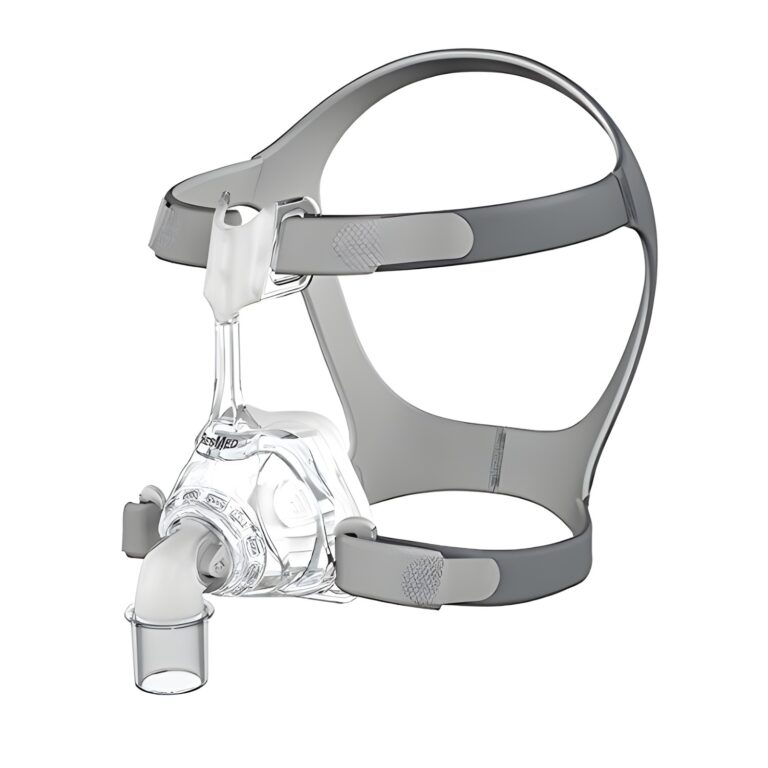
The next logical step is to conduct a titration study. For this, you visit a sleep lab and receive a suitable face mask (a CPAP therapy device consists of 3 basic parts: the mask, the hose, and the air pump). It is absolutely crucial to find a mask that fits comfortably. The mask can be nasal, a full mask, or equipped with nasal pillows and is then connected to the device. The air pump delivers ambient air to the throat through the hose.
Throughout the night, a medical staff member of the sleep lab observes you and measures the respective pressure at which hypopneas or apneas occur or do not occur. It starts with the lowest pressure and is then gradually increased. This process is called calibration. From this study, the doctor can derive the prescription for CPAP treatment.
The mask fits, the titration has been conducted, and the CPAP therapy device has been acquired. What now?
For the first time in years, you have achieved a restful amount of sleep thanks to the treatment. That was still during the calibration. With the medical prescription, you now order your own device. Before you know it, you’re already in the world of continuous positive airway pressure, and the journey begins to make this experience as pleasant as possible for you.
The use of such a device may bring about allergic reactions. This is because the mask rests on the facial skin. The vast majority of users show no allergic reactions. For the few who do react, the allergic reactions vary depending on the material used. Signs of an allergy can include redness, rashes, or itching.
CPAP treatment can also lead to dry mouth, nasal congestion, runny nose, nosebleeds, and sneezing. Dry mouth can be alleviated with a device that warms and humidifies the inhaled air or with a chin strap, which prevents the involuntary opening of the mouth during sleep (this could be the cause of dry mouth). A saline nasal spray before bedtime also helps prevent such side effects.
Most side effects of CPAP treatment are relatively mild and are well tolerated by the vast majority of patients.
Matching products from our shop
Genuine products, fast tracked shipping.
Popular brands: ResMed · Philips Respironics