The Connection Between Sleep Apnea and Weight Loss
What is Sleep Apnea?
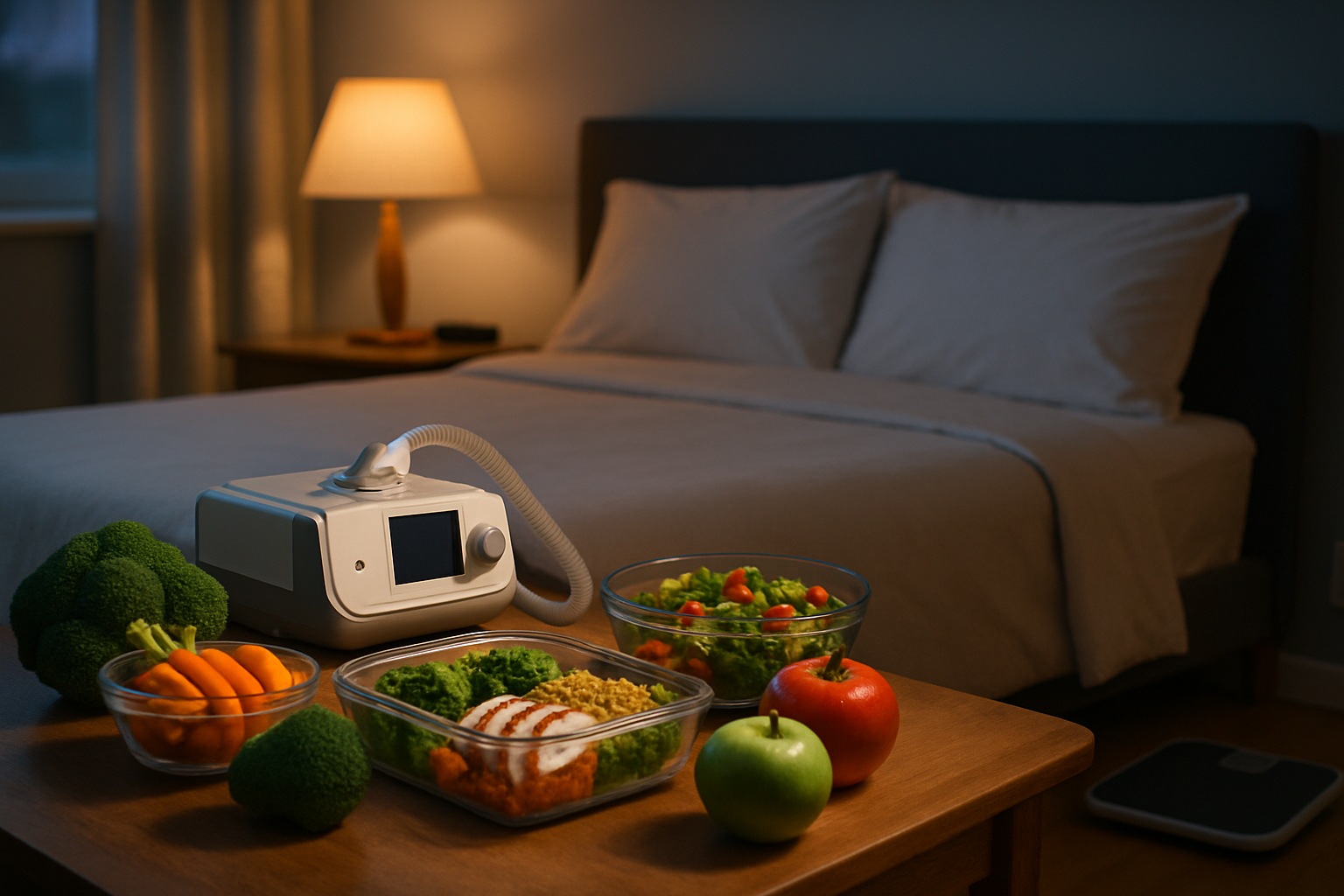
Sleep apnea is a sleep disorder that leads to breathing problems. Your breathing can repeatedly stop and start during sleep because the upper airways collapse. Affected individuals feel tired and exhausted even after a full night’s sleep.
If obstructive sleep apnea remains untreated, it can also increase the risk of high blood pressure, stroke, and heart disease.
How are Sleep Apnea and Weight Loss Related?
When considering the relationship with body weight, it becomes clear that sleep apnea and weight gain are interconnected. It can be said that being overweight increases the risk of sleep apnea – conversely, the body can also gain excess weight while sleep apnea is already present.
When overweight and obese individuals lose weight, both sleep apnea and other health issues such as heart disease often improve.
Even a weight loss of just 10% of body weight can significantly impact the symptoms of sleep apnea. In some cases, significant weight loss can even completely eliminate the condition.
What is understood by sleep apnea therapy? For a certain form of the condition, weight loss is the most effective method to reduce the symptoms of sleep apnea.
Weight loss may not be a sophisticated high-tech treatment, but it is an excellent therapy for patients with sleep apnea. It is an effective and sustainable long-term treatment.
These Measures Can Help Manage Sleep Apnea:
- Lifestyle changes
- Healthy diet
- Regular exercise
- Weight loss
- Avoidance of stress and depressive moods
- A regular sleep-wake cycle
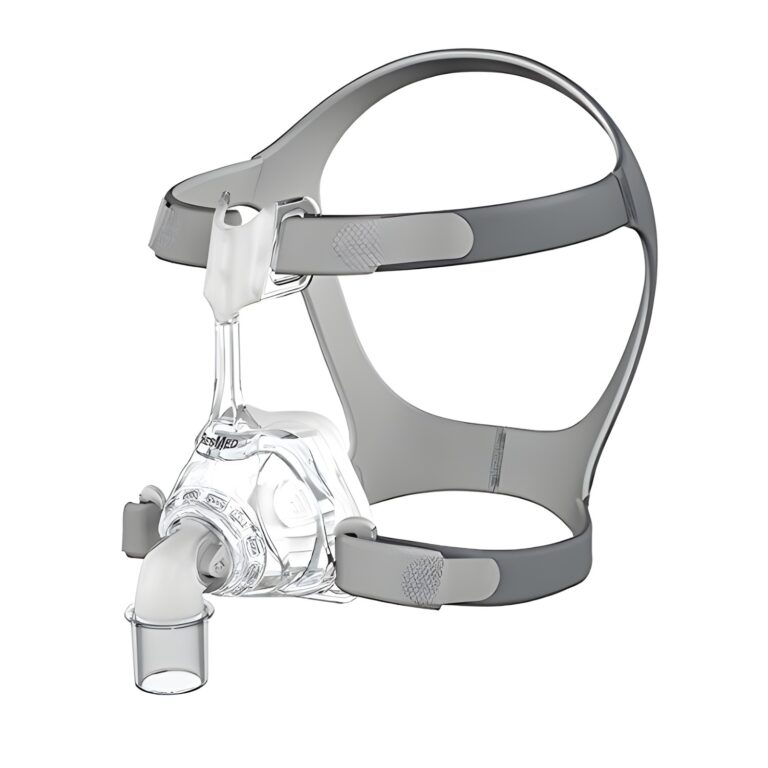
- Continuous positive airway pressure, or CPAP therapy
A complete cure may not be possible in every case, but the effect is consistently positive. If you have achieved significant lifestyle changes through weight loss, it may be worthwhile to reassess the therapy.
Because weight loss makes an amazingly good contribution to alleviating sleep apnea.
If you have lost a significant amount of weight, you may need a lower CPAP pressure to keep your airways open – or you may no longer need treatment at all.
For people who lose the recommended amount of weight, the likelihood of achieving a complete reversal of sleep apnea symptoms is three times higher than for those who do not lose weight.
It doesn’t take much weight gain to bring a patient from chronic snoring to sleep apnea – but it takes just as little weight loss to improve the symptoms.
Permanent weight loss not only improves sleep apnea but also has a positive effect on numerous other related conditions such as high blood pressure, elevated cholesterol levels, and diabetes.
A weight loss of just 10 to 15% can reduce the severity of sleep apnea by 50% in moderately overweight patients.
Unfortunately, while weight loss can lead to a complete recovery from sleep apnea, many affected individuals require additional therapies.
Possible Consequences and Side Effects of Sleep Apnea:
- High blood pressure
- Stroke
- Heart failure, arrhythmias, and heart attack
- Diabetes
- Depression
- Worsening of ADHD
- Headaches
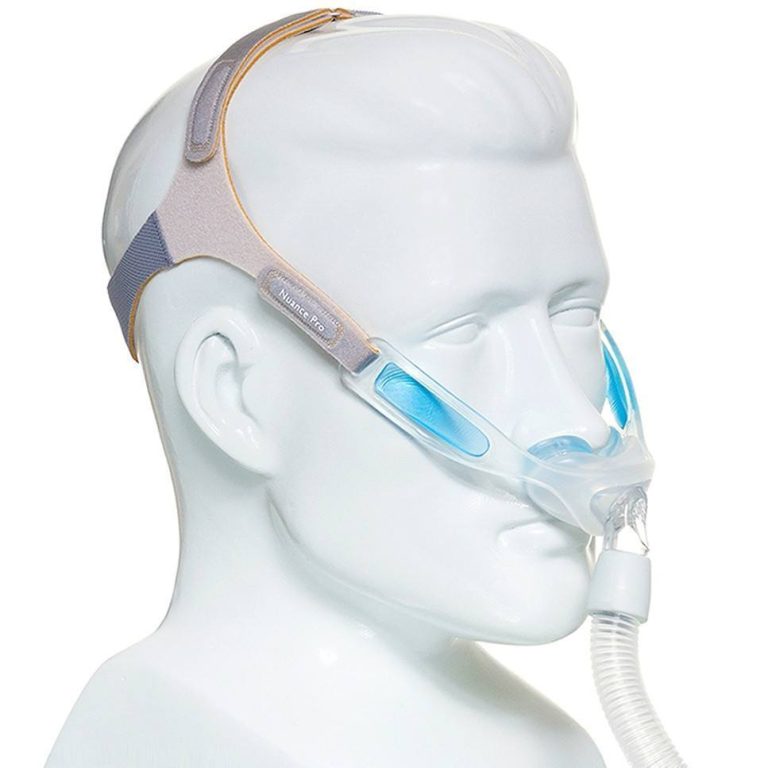
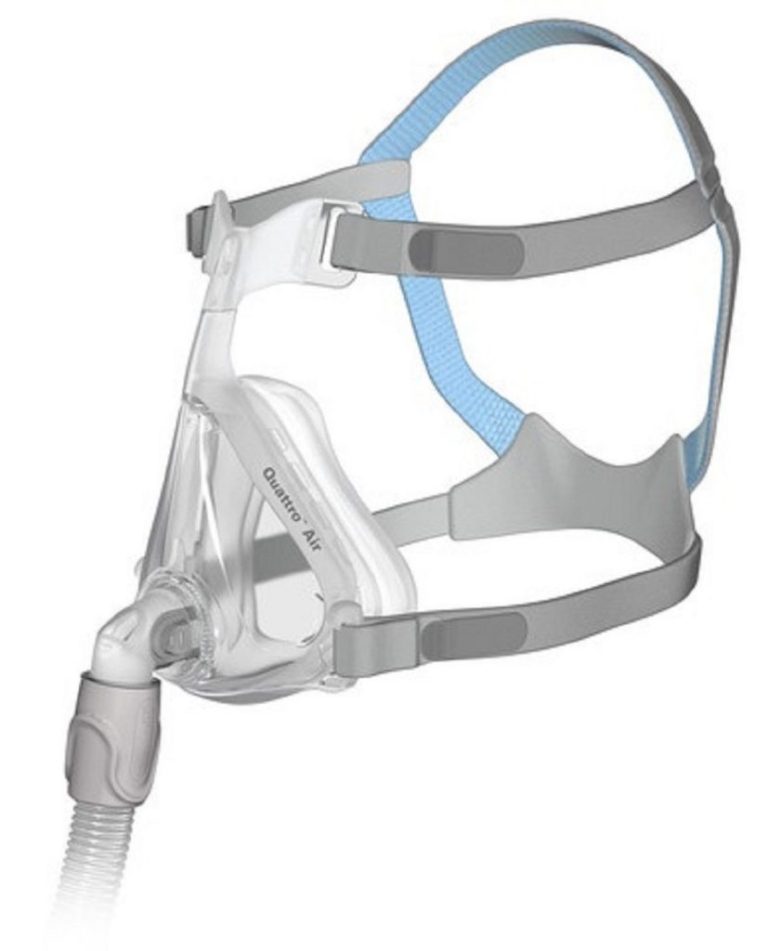
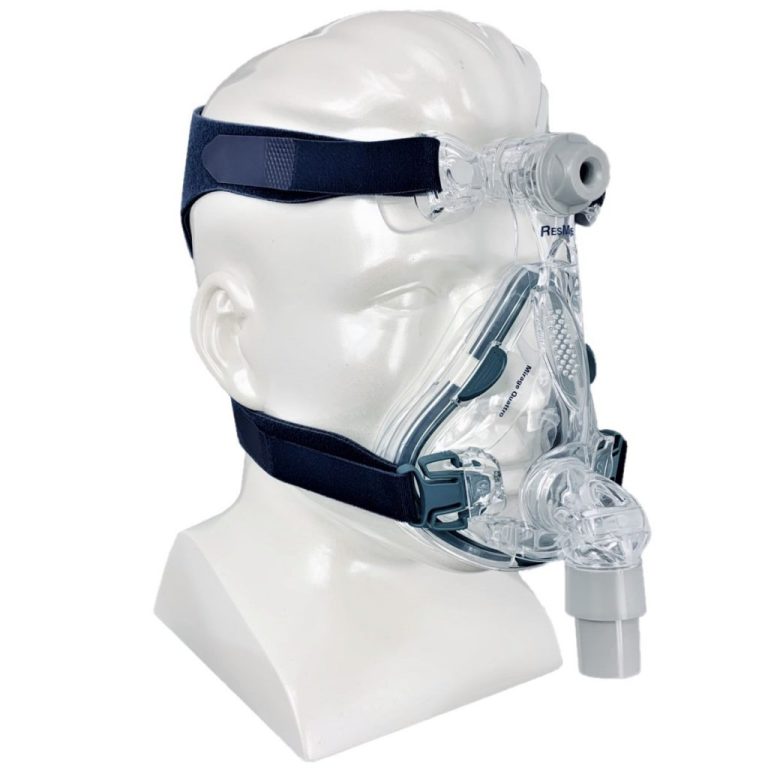
Matching products from our shop
Genuine products, fast tracked shipping.
Popular brands: ResMed · Philips Respironics