What is a sleep disorder and how is it connected to ventilation?
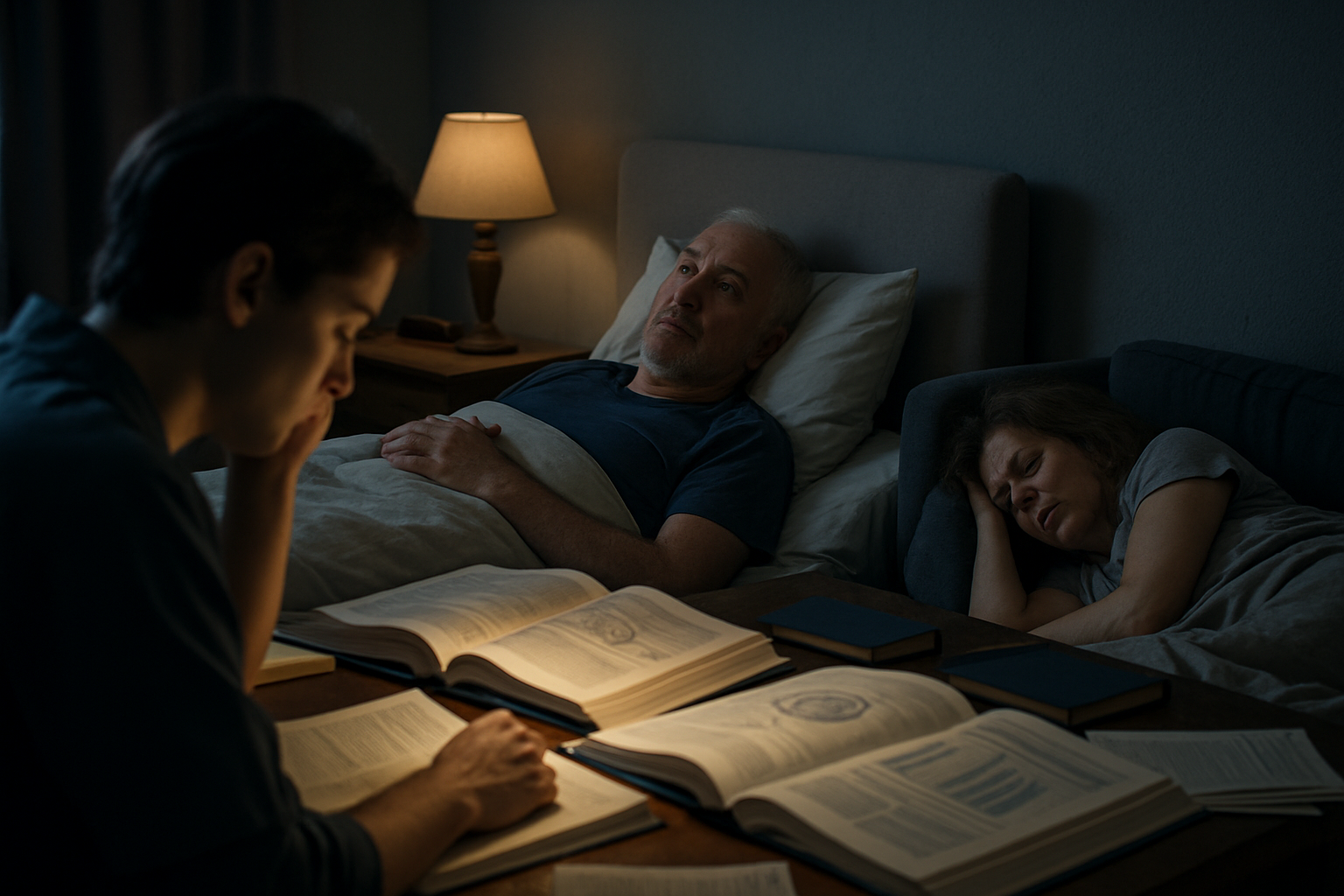
It’s one o’clock in the morning: An elderly man stares blankly at the ceiling, unable to sleep. Not far away, a medical student struggles to memorize textbooks on the physiology of sleep. His feet are in ice-cold water, yet he fights to stay awake. In another household, a frustrated wife sleeps on the couch because she can no longer tolerate her husband’s snoring. They all have one thing in common: disturbed sleep.
What is a sleep disorder and how is it related to ventilation?
Many of you might be wondering what constitutes a sleep disorder. Simply put, a sleep disorder is a condition that disrupts the normal sleep cycle. There is a wide range of different sleep disorders. While some are manageable, others impair the body’s normal functions—some individuals even require a CPAP device or artificial ventilation to sleep.
What types of sleep disorders are there?
Insomnia
Insomnia is a common sleep disorder. Those affected often complain about difficulties falling asleep. Some can fall asleep but have trouble staying asleep—in short, they do not find restful sleep. Although this mainly affects older people, it can occur in any age group. This type of sleep disorder brings several problems, ranging from memory issues to impaired coordination and concentration difficulties.
Hypersomnia
The opposite of insomnia is hypersomnia. Those affected often struggle to stay awake, especially during the day. They exhibit excessive sleepiness during everyday activities. Factors triggering hypersomnia include sleep apnea, lack of sleep, drug and medication abuse, obesity, and head injuries.
Sleep Apnea
Sleep apnea is another common sleep disorder. In this condition, breathing disturbances or pauses occur during sleep (periods when the affected individuals do not breathe). This condition can go unnoticed in some individuals. It is often those who sleep next to them who notice the regular breathing pauses. Excessive snoring can also be a manifestation of sleep apnea. The typical victim of sleep apnea is male, overweight, and over forty years old. However, individuals who do not fit this description can also be affected. This includes people with large neck circumferences, enlarged tonsils and tongues, small jawbones, gastroesophageal reflux disease, a family history of sleep apnea, and sinus conditions.
Narcolepsy
Another sleep disorder is narcolepsy. The central nervous system of those affected is unable to regulate the sleep-wake cycle. One moment you are having a conversation with such a person, and the next, they are in a deep sleep. These uncontrollable sleep episodes can occur at any time of day and regardless of the activity being performed. The condition usually first appears between the ages of 15 and 25 but can develop at any age. If you ask most doctors about the cause, you often hear the answer: “Idiopathic!” (Don’t worry, “idiopathic” is just a fancy word for “unknown.”) Testing for narcolepsy may be appropriate if you notice excessive daytime sleepiness, cataplexy (sudden loss of muscle tone and feeling of weakness), hallucinations, or sleep paralysis (temporary loss of muscle function during sleep).
Restless Legs Syndrome (RLS)
Restless Legs Syndrome (RLS), also known as Willis-Ekbom disease, is another sleep disorder. It is estimated that 10% of all Americans suffer from this syndrome. The patient usually feels an irresistible urge to move their legs. This may be accompanied by an unpleasant sensation, but it doesn’t have to be. The urge is temporarily relieved by movement or by applying pressure to the limbs. These movements can, though rarely, affect the upper limbs and torso. The exact cause is—yes, you guessed it—idiopathic. However, several conditions have been closely linked to this disorder. These include ADHD, varicose veins, kidney failure, pregnancy, iron deficiency, and more. There is a close relationship between RLS and Periodic Limb Movement Disorder (PLMD), characterized by sleep disruption due to periodic and involuntary leg twitches during sleep.
Sleep disorders are far more common than you might think and have always been a focus for neurophysiologists. So, from time to time, new insights are to be expected. In the meantime, we recommend maintaining a balanced diet, getting enough sleep, and staying content.
Learn more about ventilation on Wikipedia.
Matching products from our shop
Genuine products, fast tracked shipping.
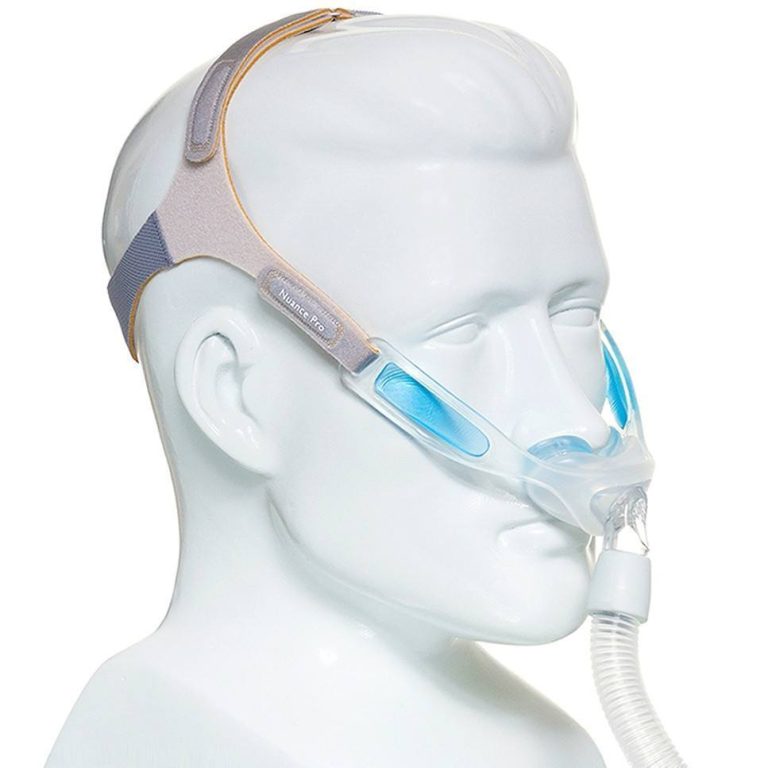
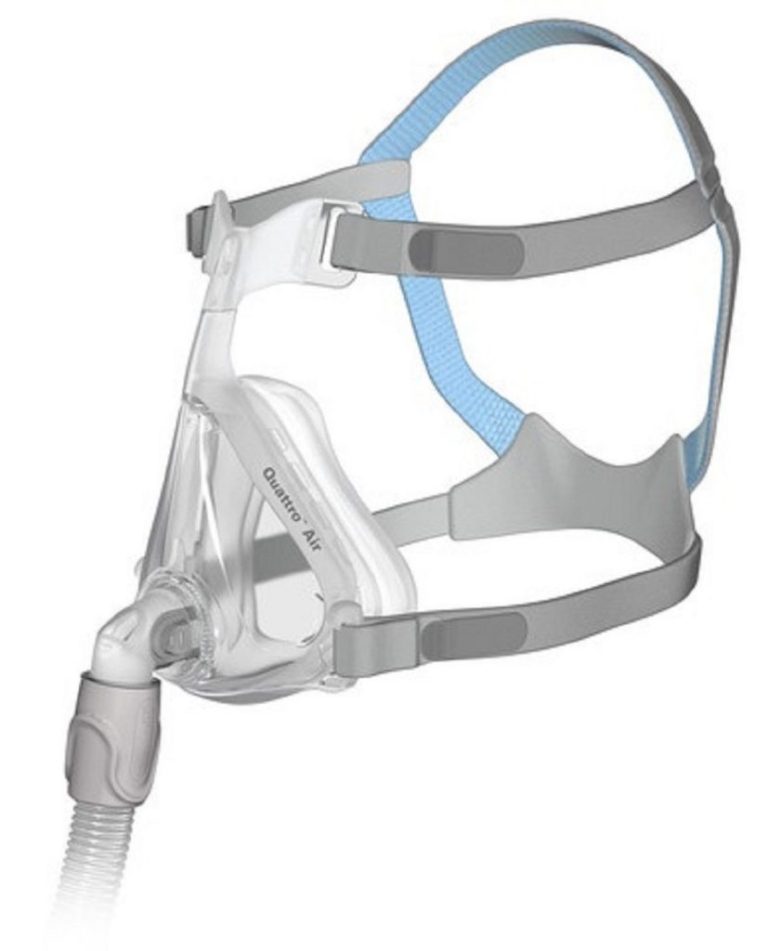
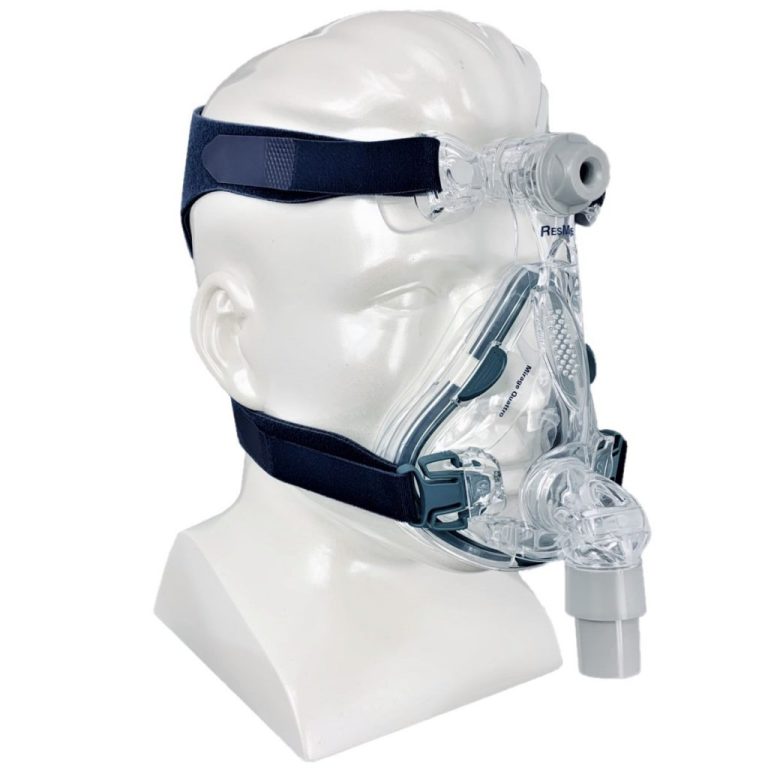
Popular brands: ResMed · Philips Respironics