Sleep Apnea Devices: Tips You Should Know

In sleep apnea, we distinguish between obstructive sleep apnea (OSA), where breathing is interrupted by a blockage of airflow, and central sleep apnea (CSA), where regular, unconscious breathing simply stops. A combination of both is also possible. OSA is the most common form.
There are four main causes of OSA. These include “anatomical” factors such as a narrow, obstructed, or easily collapsing upper airway, as well as “non-anatomical” factors like insufficient function of the throat muscles that keep the airways open during sleep, airway narrowing during sleep, or unstable breathing regulation.
Other risk factors include being overweight, a family history, allergies, and enlarged tonsils. Some people with sleep apnea are not even aware that they have this condition. In many cases, it is first noticed by a family member. Sleep apnea is often diagnosed with a nocturnal sleep study. For a diagnosis of sleep apnea, more than five events per hour must occur.
What is Sleep Apnea?
Sleep apnea is a sleep disorder where breathing pauses or periods of shallow breathing occur more frequently than normal during sleep.
Sleep apnea is a serious sleep disorder where breathing becomes shallow or stops altogether during sleep.
This happens when the upper airways are repeatedly blocked—a process known as apnea—and prevents the brain and lungs from receiving enough oxygen. This can result in loud snoring or even a choking sensation.
For doctors, this is known as obstructive sleep apnea; it is caused either by a person’s physical structure or by certain medical conditions.
These include being overweight, large tonsils, endocrine disorders, neuromuscular diseases, heart or kidney failure, certain genetic syndromes, and prematurity.
Professionally, the condition is described as a relatively common disorder where the walls of the throat relax and narrow during sleep, interrupting normal breathing.
If unrecognized or untreated, the frequent sleep interruptions caused by sleep apnea can lead to reduced quality of life and numerous serious risks, such as heart attack, glaucoma, diabetes, cancer, as well as cognitive and behavioral disorders.
It can also lead to chronic daytime sleepiness, which can result in poorer performance in daily tasks such as work, school, and driving.
As a result, sleep apnea has become an important research area for many medical technology companies. Studies show that investments in diagnosing and treating the condition could save the healthcare system significant costs and prevent many traffic accidents each year.
Risks and Symptoms
Older adults can be particularly susceptible to OSA.
As we age, we lose muscle tone in the structures of the back of the throat, which can play a role in OSA.
There is also an increased risk for OSA if you are overweight, have a large neck circumference, are male, or smoke. However, many older people with OSA do not fit this profile.
For example, men are two to three times more likely than women to have OSA, but this gap narrows once women reach menopause. And the OSA symptoms of postmenopausal women, such as insomnia and mood swings, can differ from those of men.
Recognizing OSA can be challenging because it occurs during sleep. A possible sign is falling asleep at inappropriate times—such as during a conversation or while driving.
When to Talk to Your Doctor
If your partner complains that you snore loudly or have long pauses in breathing followed by gasping or choking, you should make an appointment. Also, tell your primary care doctor if you sleep poorly at night or do not feel rested upon waking. The same applies if you notice unclear thinking that may be related to poor sleep.
If the doctor suspects OSA, you should be referred to a sleep specialist who may recommend a sleep study in a lab or a home test.
In a lab study, you spend the night in a sleep center while specialists monitor how often your breathing stops. In a less precise home test, you wear a small device that records changes in your breathing pattern during sleep. Check with your health insurance before making your decision.
Devices That Help with Breathing Pauses During Sleep
Hupnos Sleep Mask
Hupnos—the Greek word for sleep—was a new product introduced at CES 2019, the consumer electronics trade show in Las Vegas.
Connected to a smartphone app, the device monitors the wearer’s sleep position and listens for snoring.
In response to snoring, the eye and nose mask emits a gentle vibration—not strong enough to fully wake the person, but just enough to prompt them to change position.
The device uses EPAP technology (Expiratory Positive Airway Pressure), which increases the user’s breathing pressure and opens the airways to prevent snoring.
It is the snorer’s own breath that is used to open the airways and allow the air to escape quietly.
Sleep Apnea: What You Should Know About the Diagnosis
Your doctor can make an initial assessment based on your signs and symptoms, as well as a sleep history. You should conduct this, if possible, with the help of someone who shares your bed or household.
You will likely be referred to a sleep disorder center. There, a sleep specialist can help determine the need for further evaluation.
An evaluation often includes overnight monitoring of your breathing and other body functions during sleep at a sleep center. Home sleep tests may also be an option. Tests to detect sleep apnea include:
Nocturnal Polysomnography. During this test, you are connected to equipment that monitors your heart, lung, and brain activity, breathing patterns, arm and leg movements, and blood oxygen levels while you sleep.
Home Sleep Tests. Your doctor may provide you with simplified tests to use at home to diagnose sleep apnea. These tests typically measure your heart rate, blood oxygen level, airflow, and breathing patterns.
If the results are abnormal, your doctor may be able to prescribe therapy without further testing. However, portable monitoring devices do not detect all cases of sleep apnea, so your doctor may recommend polysomnography even if your initial results are normal.
If you have obstructive sleep apnea, your doctor may refer you to an ear, nose, and throat specialist to rule out a blockage in your nose or throat.
An examination by a cardiologist (heart specialist) or a neurologist (specialist in the nervous system) may be necessary to determine the causes of central sleep apnea.
Treatment
For milder cases of sleep apnea, your doctor may recommend only lifestyle changes, such as weight loss or quitting smoking. If you have nasal allergies, your doctor will recommend treating the allergies.
If these measures do not improve your signs and symptoms, or if your apnea is moderate to severe, a range of other treatments are available.
Certain devices can help keep a blocked airway open. In other cases, surgery may be necessary.
Surgical Treatment Options for Sleep Apnea
Surgery is usually only an option if other treatments have failed. Generally, it is recommended to try other treatment options for at least three months before considering surgery. However, for a small group of people with certain jaw structure problems, surgery may be a good first option.
Surgical options include:
Tissue Removal. In this procedure (uvulopalatopharyngoplasty), your doctor removes tissue from the back of your mouth and throat. Typically, the tonsils and adenoids are also removed.
This surgery can prevent throat structures from vibrating and causing snoring. However, it is less effective than CPAP and is not considered a reliable treatment for obstructive sleep apnea.
Removing tissue in the back of the throat with high-frequency energy (radiofrequency ablation) may be an option if you cannot tolerate CPAP or oral devices.
Tissue Reduction. Another option is to reduce the tissue in the back of the mouth and throat using radiofrequency ablation. This procedure can be used for mild to moderate sleep apnea. A study found that it achieves similar results to tissue removal but with lower surgical risks.
Jaw Repositioning. In this procedure, your upper jaw is moved forward from the remaining facial bones. This enlarges the space behind the tongue and soft palate, making airway obstruction less likely. This procedure is called maxillomandibular advancement.
Implants. After local anesthesia, soft rods, usually made of polyester or plastic, are surgically implanted into the soft palate. More research is needed to determine how well implants work.
Nerve Stimulation. This involves surgically inserting a stimulator for the nerve that controls tongue movement (hypoglossal nerve). Increased stimulation helps keep the tongue in a position that keeps the airway open. Further research is also needed here.
Creating a New Airway (Tracheostomy). This type of surgery may be necessary if other treatments have failed and you have severe, life-threatening sleep apnea. In this procedure, the surgeon creates an opening in your neck and inserts a metal or plastic tube through which you breathe.
During the day, you keep the opening covered. At night, you open it to allow air to flow in and out of your lungs, bypassing the blocked area in the throat.
Additional surgical procedures can reduce snoring and help treat sleep apnea by clearing or expanding the airways:
- Surgery to remove enlarged tonsils or polyps;
- Weight reduction surgery (bariatric surgery).
Matching products from our shop
Genuine products, fast tracked shipping.
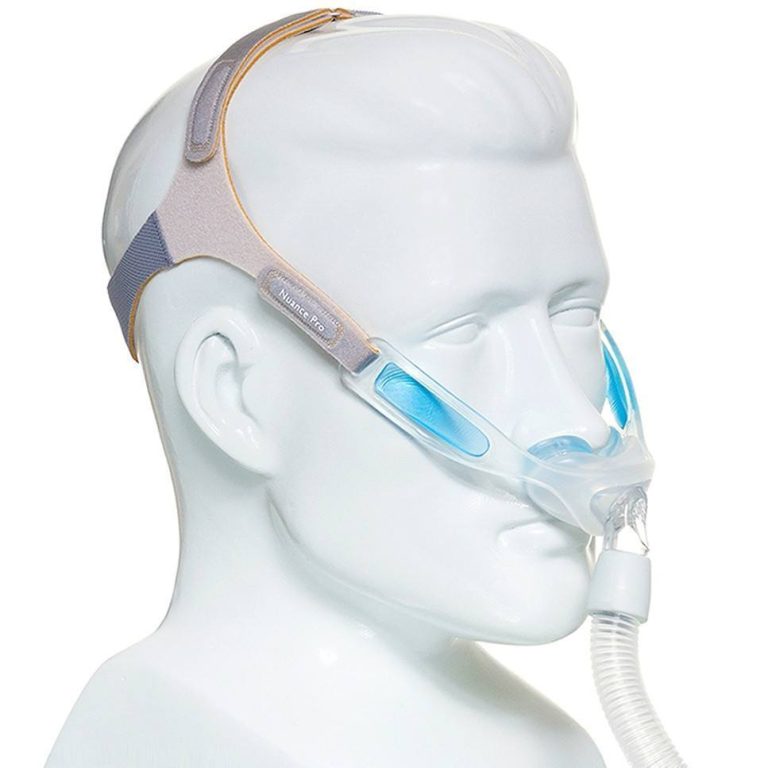
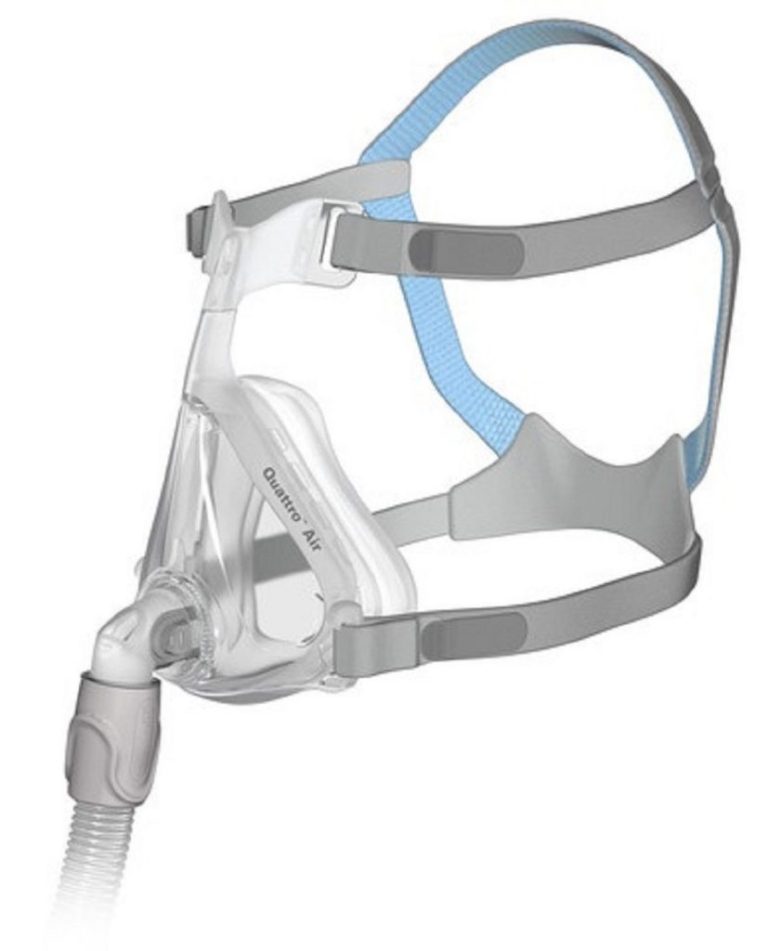
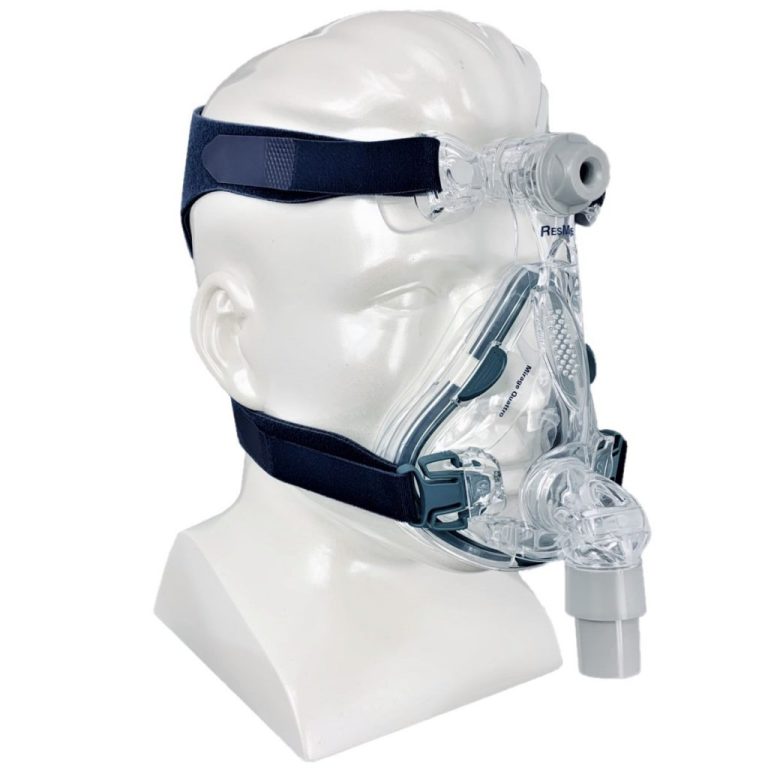
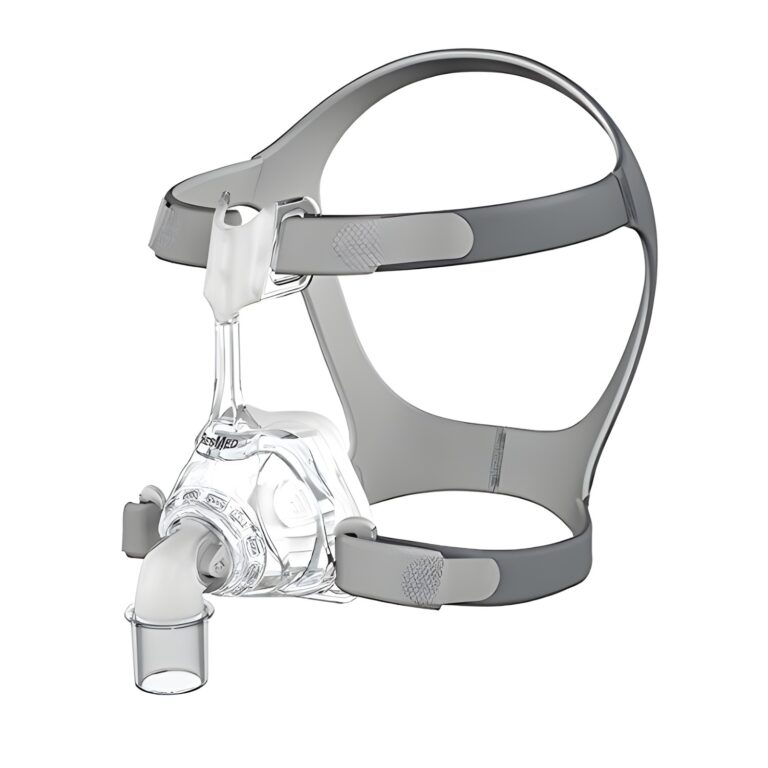
Popular brands: ResMed · Philips Respironics